
TL;DR
– A B2B tech stack is the complete set of tools a sales and marketing team uses to find, reach, convert and retain customers – spanning 6 categories: prospecting, outreach, CRM, marketing automation, workflow automation, and analytics.
– Stack architecture matters more than individual tool choices: a well-connected stack creates compounding leverage, while tool sprawl without workflow design wastes budget and kills adoption.
– La Growth Machine replaces both your enrichment tool and outreach platform in one – with native LinkedIn, email, and Twitter sequences, built-in enrichment, and two-way CRM sync with HubSpot, Salesforce, and Pipedrive.
– Stack costs range from ~€150/month for a seed-stage team (LGM + HubSpot free + Kaspr) to ~€3,000/month at scale (LGM + Cognism + Salesforce + Salesloft + Clay + Make) – the key is matching tool depth to actual workflow complexity.
A B2B tech stack is the complete set of software tools a B2B sales and marketing team uses to find prospects, reach them across channels, convert them into customers, and retain them over time. It spans every layer of the revenue engine: from the database where you source your ICP contacts, to the CRM where you track deals, to the automation tools that stitch the whole workflow together. For a Head of Sales or VP Sales, the tech stack is not just an IT line item – it is the infrastructure that determines how many meetings get booked, how fast leads move through the pipeline, and how accurately you can forecast revenue.
Stack design matters more than any individual tool choice. Two companies can both pay for Salesforce and still get radically different results depending on how the tool connects to their outreach platform, enrichment workflow, and reporting layer. The tools you select set the ceiling; the way you connect and sequence them determines whether you actually hit it. A well-architected stack creates compounding leverage: each tool feeds the next, data flows without manual intervention, and reps spend their time on conversations rather than copy-paste work.
The most common mistake B2B teams make is buying tools before defining the workflow. A sales director sees a demo, approves the budget, and the tool sits underused because there is no clear owner, no defined trigger for when it fires, and no integration with the CRM. The result is stack sprawl: overlapping tools, duplicate costs, and data that never makes it to the right place. The right approach is to map your revenue workflow first – prospect, enrich, reach, qualify, close, retain – and then select tools that cover each stage without redundancy.
B2B Tech Stack Overview
| Category | Function | Top Tools | Avg Monthly Cost |
|---|---|---|---|
| Prospecting and Data | Find and verify ICP contacts | Apollo, Cognism, Clay, Kaspr, Lusha | $50-$500 |
| Outreach and Engagement | Multichannel sequences at scale | La Growth Machine, Salesloft, Outreach | $60-$150/identity |
| CRM | Pipeline tracking and deal management | HubSpot, Salesforce, Pipedrive | $0-$300/user |
| Marketing Automation | Inbound lead nurturing | HubSpot Marketing, Mailchimp | $50-$800 |
| Workflow Automation | Connect tools and automate handoffs | Zapier, Make | $20-$200 |
| Analytics and Reporting | Pipeline visibility and forecasting | HubSpot Reporting, Salesforce Einstein, Gong | $0-$300 |
The 6 Categories Every B2B Tech Stack Needs
1. Prospecting and Data – Finding and Verifying ICP Contacts
Before any outreach can happen, you need accurate, up-to-date contact data for your ideal customer profile. This category covers database tools that let you search by job title, company size, industry, and technology used, as well as enrichment tools that fill in missing fields and verify emails before they hit your sequences. Without reliable data at the top of the funnel, every downstream metric suffers: bounce rates climb, sequences stop delivering, and reps waste time on leads who never existed.
The key metric to track here is data accuracy rate. A database with 80% verified email accuracy costs you 20% of your outreach capacity before a single message is sent. Investing in verified data, particularly for EU markets where GDPR compliance matters, pays back in deliverability and reply rates.
2. Outreach and Engagement – Multichannel Sequences at Scale
Once you have the contacts, you need a system to reach them consistently across multiple channels. Email alone is no longer enough: LinkedIn touchpoints, Twitter DMs, and voice notes all increase reply rates when layered into a coherent sequence. Outreach tools let you build these sequences once and run them at scale, while tracking opens, clicks, replies, and bounces at the individual and campaign level.
The metric that matters for a VP Sales is not open rate – it is booked meetings per sequence launched. A good outreach tool should give you that number directly, with enough granularity to A/B test message variants and identify which sequences drive pipeline.
3. CRM – Pipeline Tracking and Deal Management
The CRM is the system of record for your entire revenue operation. Every lead, every deal, every touchpoint should flow into it. Without a clean CRM, you cannot forecast accurately, you cannot identify where deals are stalling, and you cannot measure rep performance against quota. A CRM that syncs automatically with your outreach and enrichment tools cuts the manual data entry that kills adoption.
For growing teams, the right CRM is the one your reps actually use. Adoption drives data quality, and data quality drives forecast accuracy. Choose based on ease of use and native integrations, not just feature count.
4. Marketing Automation – Inbound Lead Nurturing
Marketing automation handles the leads that are not yet sales-ready: content downloads, webinar signups, free trial activations. It scores them over time based on behavior, triggers nurture sequences, and hands them off to sales when they cross a qualification threshold. For B2B teams with a meaningful inbound motion, this layer is what prevents leads from going cold while they are still in research mode.
The key outcome here is MQL-to-SQL conversion rate. If marketing is handing off leads that sales consistently rejects, there is either a scoring problem or a handoff criteria misalignment that costs both teams time.
5. Workflow Automation – Connecting Tools and Automating Handoffs
No stack works without plumbing. Workflow automation tools like Zapier and Make create the connections between your other tools: when a lead replies to an outreach sequence, update the CRM; when a deal moves to “Proposal Sent,” trigger a follow-up task; when a new lead enrichment record is created, push it to the outreach queue. These automations eliminate the manual work that slows revenue cycles and introduces human error.
The ROI of workflow automation is measured in hours saved per rep per week. A single well-built automation that removes 30 minutes of daily manual work pays for the tool in the first month.
6. Analytics and Reporting – Pipeline Visibility and Forecasting
Sales leaders need one place to see the full pipeline: deals by stage, velocity by rep, conversion rates by source, and projected close dates. Analytics tools aggregate data from your CRM, outreach, and marketing platforms into dashboards that make the answer to “how are we tracking against target?” a 10-second question rather than a 2-hour spreadsheet exercise.
The output that matters most is forecast accuracy. If your analytics layer cannot tell you within 15% where you will land at end of quarter, it is not doing its job.
Best B2B Tech Stack Tools by Category
Prospecting and Data
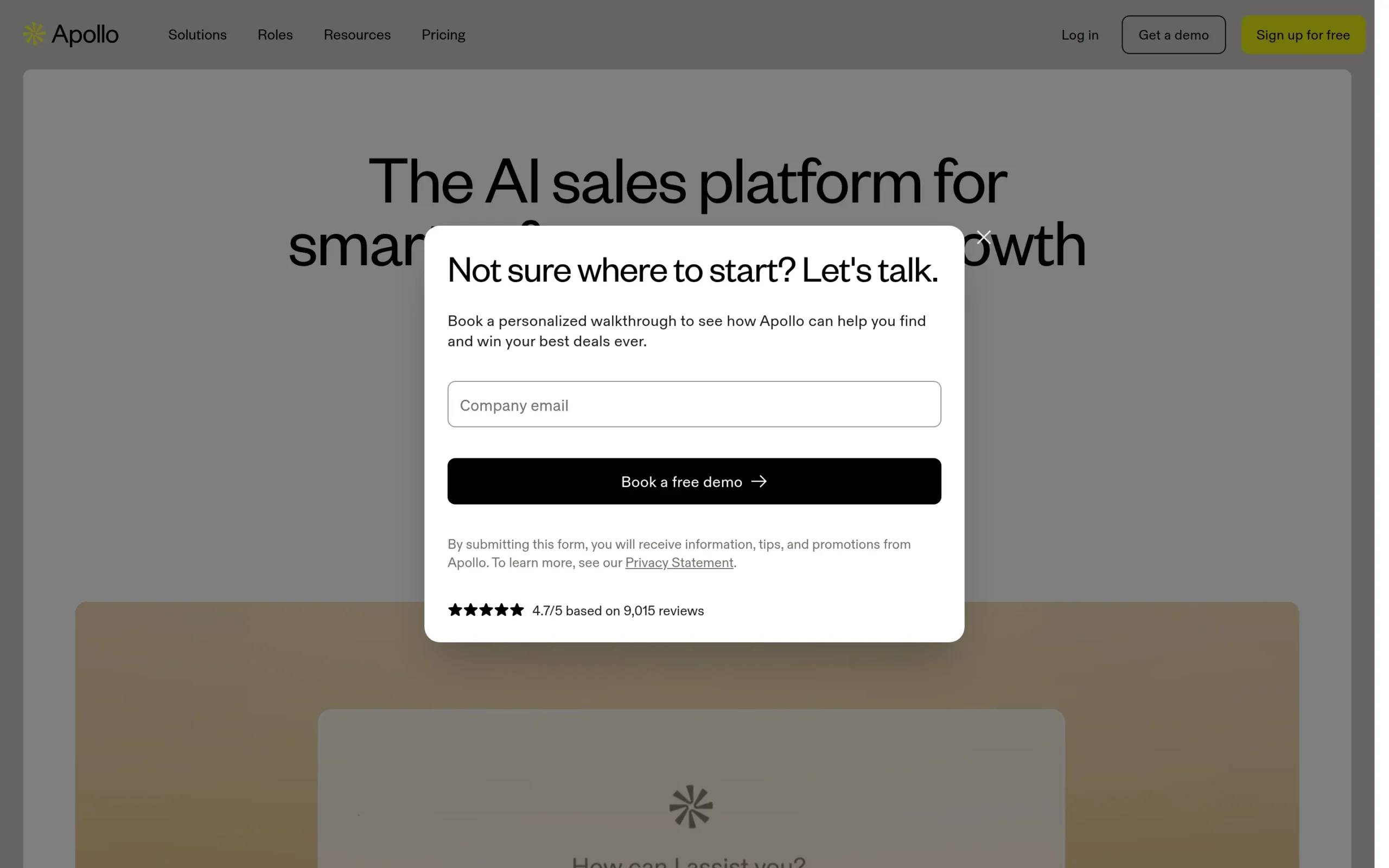
Apollo is the most popular B2B contact database for SMB and mid-market teams, with over 275 million verified contacts searchable by industry, job title, company size, and technology used. Its built-in sequencing features make it a dual-purpose tool for teams that want a single platform for data and outreach.
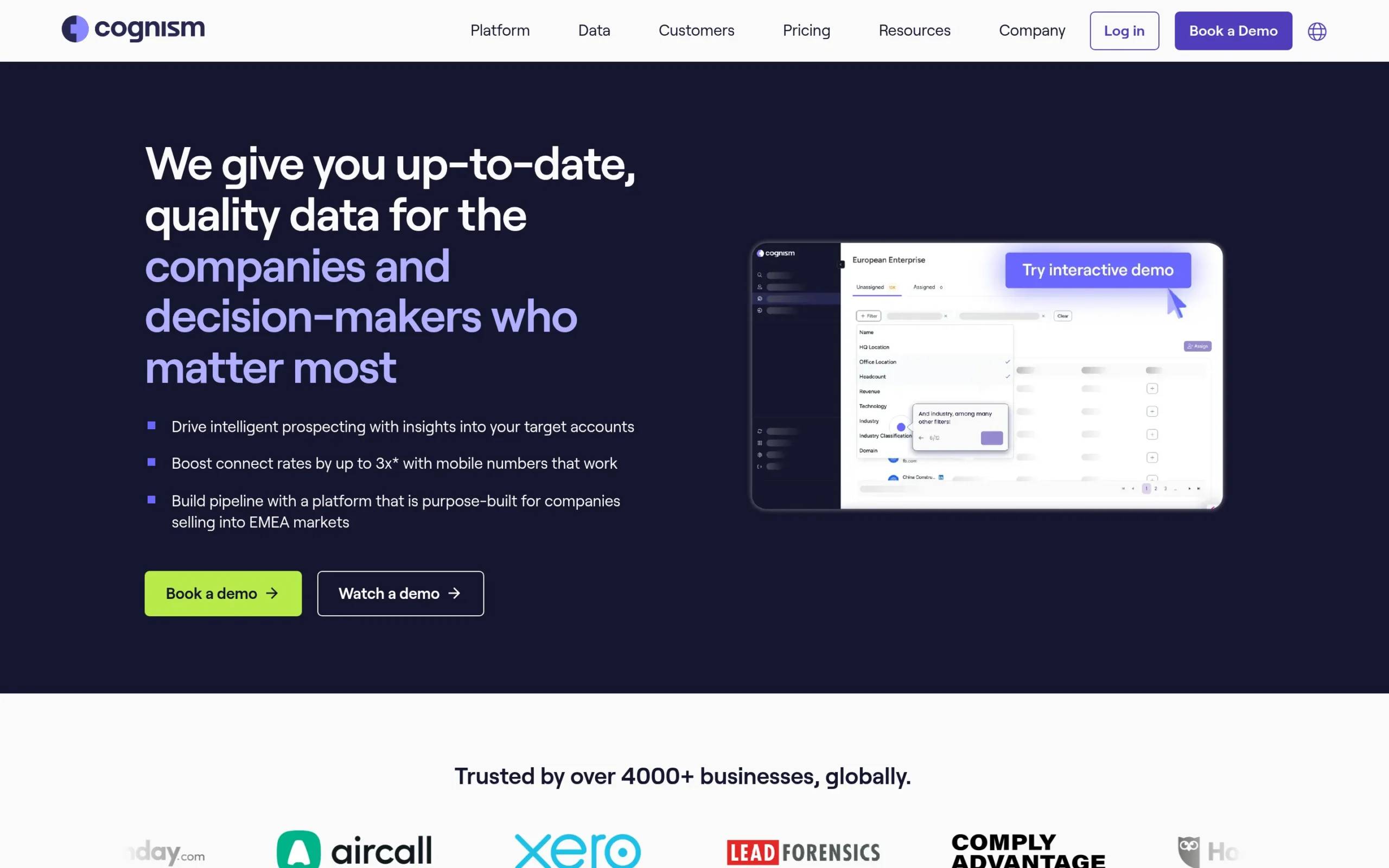
Cognism is the leading choice for teams selling into European markets. Its Diamond Data verification process phone-verifies mobile numbers, and its GDPR-compliant database is built specifically for EU outreach. For any team targeting EMEA, Cognism’s verified data quality justifies the premium over generic databases.
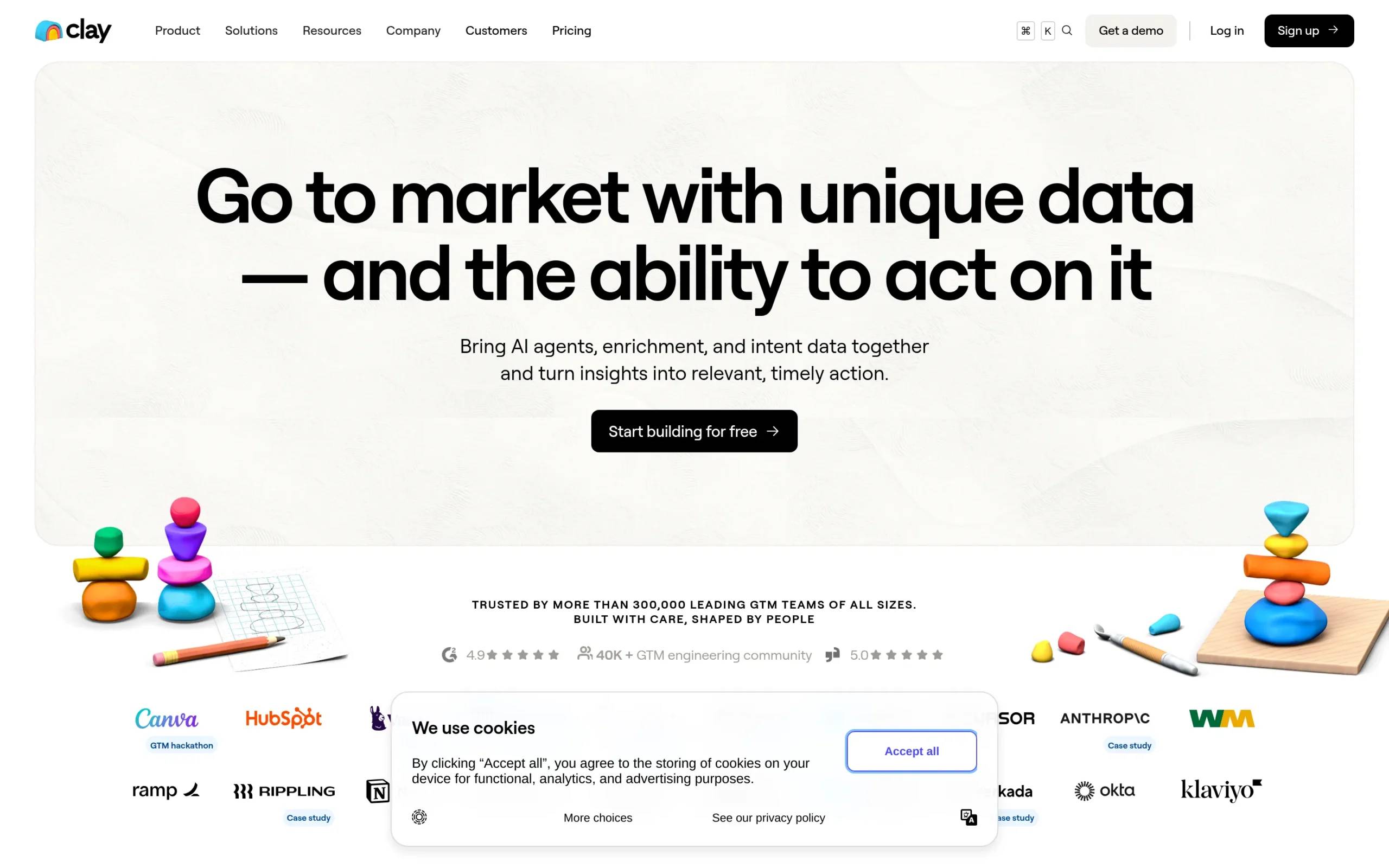
Clay is an AI-powered enrichment platform that pulls from over 75 data sources simultaneously to fill in missing contact and company data. It is the right tool for teams building highly personalized outreach at scale – you define the enrichment logic, Clay runs it automatically across your entire lead list.
Kaspr is a LinkedIn-native tool that extracts verified email addresses and phone numbers directly from LinkedIn profiles. For teams that source leads primarily through LinkedIn, it removes the manual lookup step entirely.
Lusha provides direct-dial phone numbers and verified emails, with a browser extension that surfaces contact data on LinkedIn and company websites. It is a strong choice for outbound teams that prioritize phone as a channel alongside email.
Outreach and Engagement
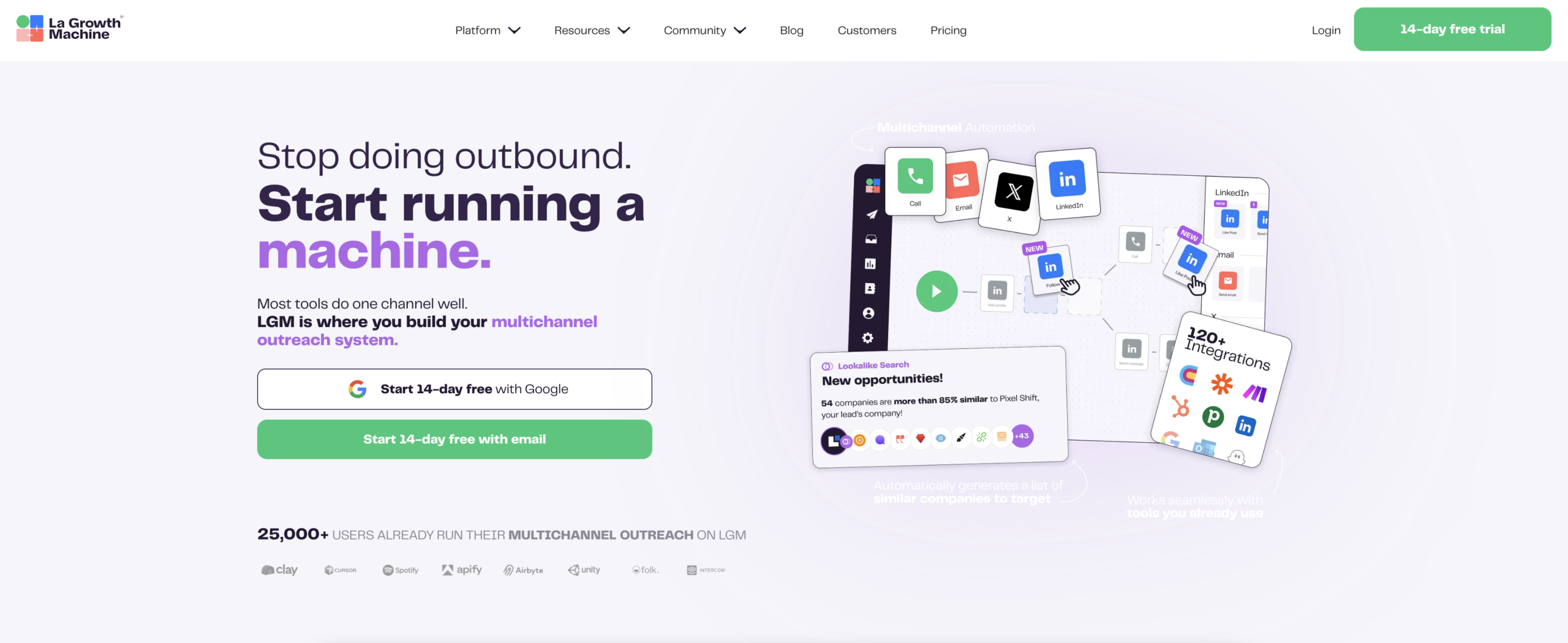
La Growth Machine is the recommended outreach platform for B2B teams that want multichannel sequencing without managing multiple tools. It combines LinkedIn, email, and Twitter outreach in a single sequence builder, with built-in lead enrichment that pulls missing data automatically before your campaign launches. Unlike dedicated outreach tools that require a separate enrichment step, LGM handles both in one platform – reducing tool count, data sync issues, and per-seat costs. Native two-way sync with HubSpot, Salesforce, and Pipedrive means every reply, click, and LinkedIn connection request flows into your CRM automatically. Pricing starts at €60/month per identity (Basic), with Pro at €120/month and Ultimate at €180/month.
Salesloft is an enterprise-grade sales engagement platform built for large sales teams with complex workflow requirements. It offers deep Salesforce integration, advanced analytics, and coaching tools that make it the right fit for organizations with 50+ reps and a RevOps function to manage the configuration.
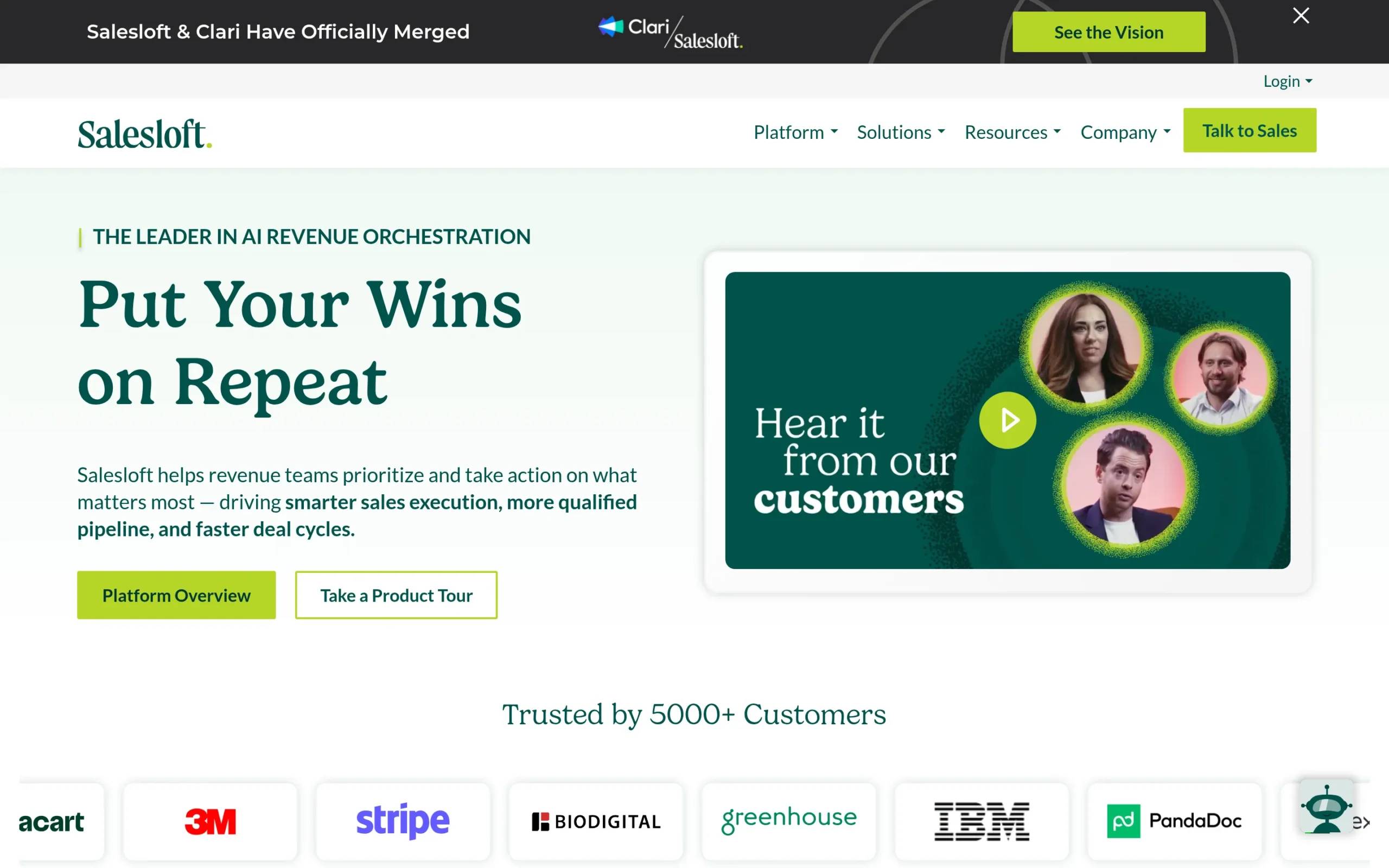
Outreach is Salesloft’s main enterprise competitor, with strong sequence management, deal health scoring, and forecast capabilities. Like Salesloft, it is best suited to organizations with dedicated RevOps support and an existing Salesforce infrastructure.
CRM
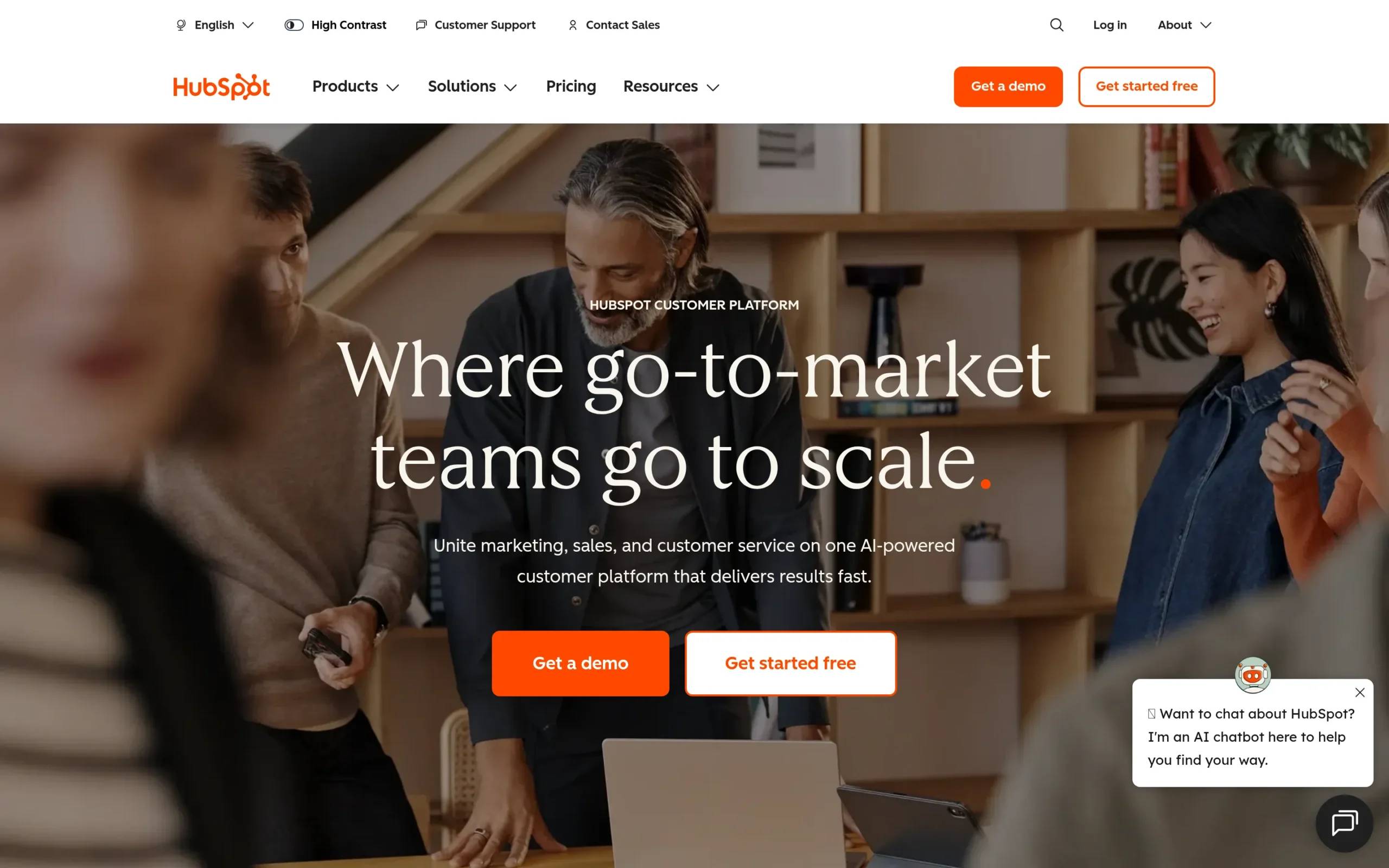
HubSpot offers a free CRM tier that is genuinely usable for early-stage teams, with paid Sales Hub tiers that scale to complex deal management, sequences, and forecast reporting. Its all-in-one architecture – marketing, sales, and service in one platform – reduces integration complexity for teams that want a single system of record.
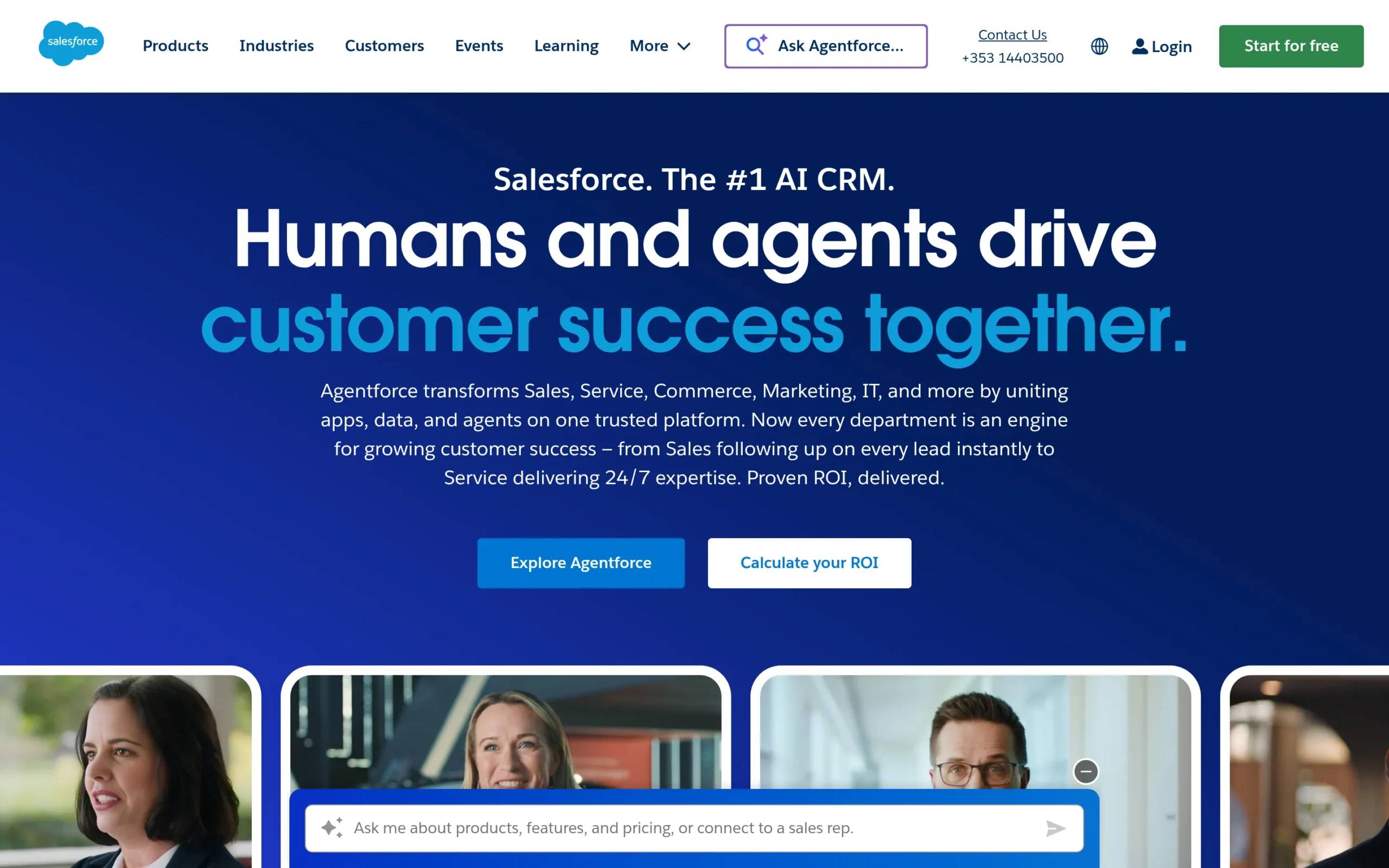
Salesforce is the enterprise standard for complex B2B sales organizations. Its customizability, AppExchange ecosystem, and reporting depth make it the right choice for large teams with dedicated admin support. For teams under 30 reps without a RevOps function, the configuration overhead often outweighs the capability advantage.
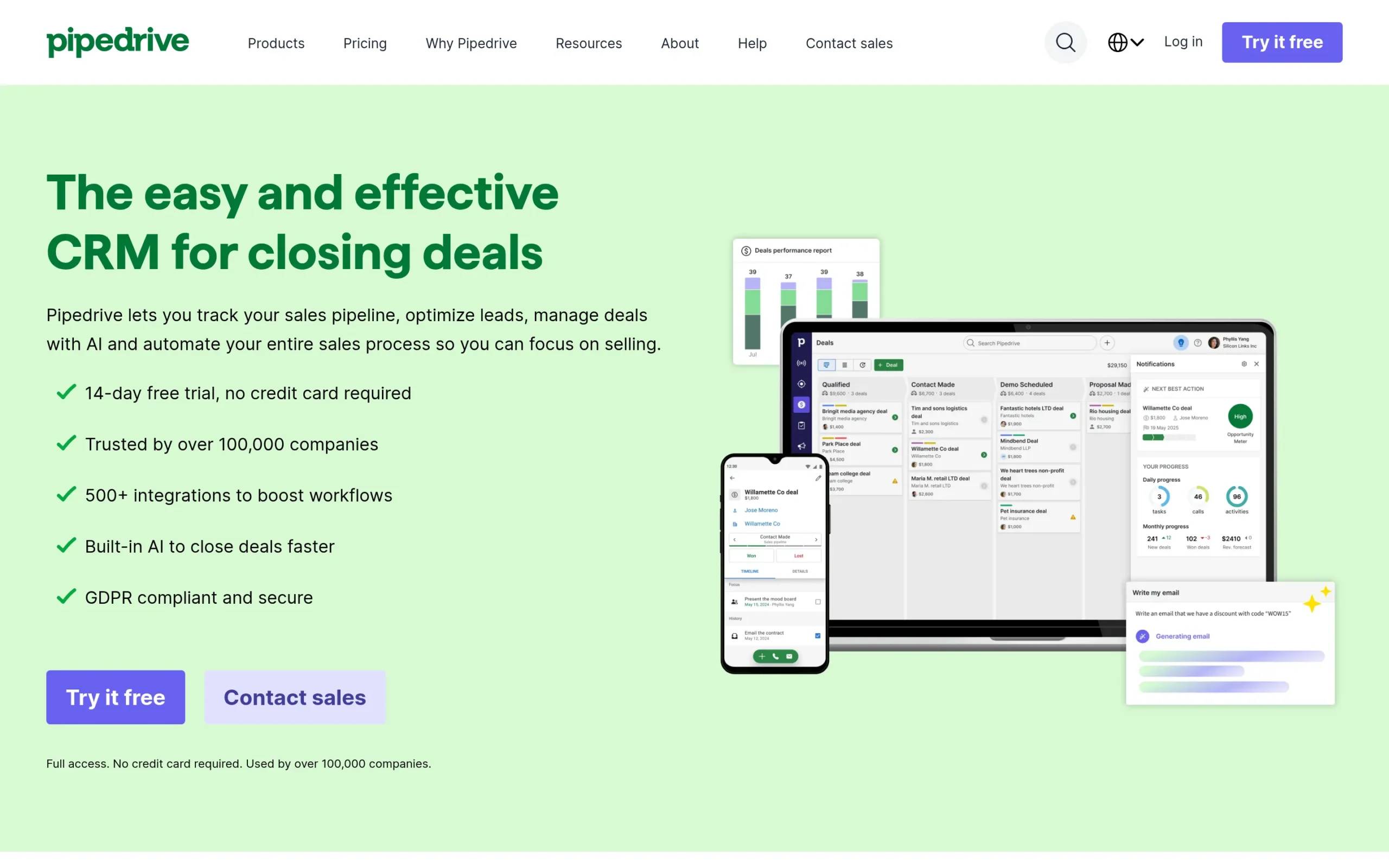
Pipedrive is a pipeline-first CRM designed for sales teams that want simplicity over depth. Its visual pipeline view, activity-based selling model, and intuitive interface make it the fastest CRM to deploy and the easiest to drive adoption on. It is the right choice for SMB teams that do not need the complexity of Salesforce or the marketing suite of HubSpot.
Marketing Automation
HubSpot Marketing is the most integrated option for teams already using HubSpot CRM. Lead scoring, email nurture workflows, landing pages, and forms all connect natively to the CRM, eliminating the sync issues that come with standalone marketing automation tools.
Mailchimp is a strong choice for early-stage teams that need email marketing without the full HubSpot investment. Its automation builder handles basic nurture sequences, and its free tier covers most use cases for teams under 500 contacts.
Workflow Automation
Zapier connects over 6,000 apps and is the default choice for teams that need to automate handoffs between tools without writing code. Its no-code interface makes it accessible to any ops team member, and its library of pre-built templates covers most common B2B sales workflow needs.
Make (formerly Integromat) is the more powerful alternative for teams that need complex, multi-step automations with conditional logic and error handling. Its visual workflow builder is more technical than Zapier but offers greater flexibility for advanced use cases.
Analytics and Reporting
HubSpot Reporting is built into the HubSpot platform and covers deal pipeline, rep activity, sequence performance, and revenue forecasting for teams using HubSpot CRM. For most SMB and mid-market teams, it removes the need for a standalone BI tool.
Salesforce Einstein brings AI-powered forecasting and pipeline analytics to Salesforce users. It surfaces deal health scores, identifies at-risk opportunities, and projects close probabilities based on historical data – giving revenue leaders the signal they need to intervene before deals go cold.
Gong adds conversation intelligence on top of your CRM and outreach data, analyzing call and email content to identify winning patterns, flag at-risk deals, and coach reps based on what actually works. It is a significant investment best suited to teams where rep quality and coaching are the primary levers for quota attainment.
B2B Tech Stack Examples by Company Stage
The right stack is not the same at every stage. Here are three realistic configurations by company size, with approximate monthly costs.
Seed/Early Stage (1-5 People): ~150/month
At this stage, you need to move fast with minimal overhead. The priority is outreach volume and basic pipeline visibility.
- La Growth Machine (Basic, €60/month per identity): LinkedIn + email sequences, built-in enrichment
- HubSpot CRM (free tier): pipeline tracking, deal management, contact database
- Kaspr (~€30/month): LinkedIn-native contact data extraction
Total: approximately €150/month. This stack covers prospecting to pipeline with zero wasted tool overlap and enough CRM functionality to track early deals without a paid subscription.
Growth Stage (10-30 People): ~800/month
At this stage, you need better data quality, more sophisticated sequencing, and a CRM that can handle growing deal volume.
- La Growth Machine (Pro, €120/month per identity): multichannel sequences, CRM sync, enrichment
- Clay (~€150/month): AI enrichment across 75+ data sources
- HubSpot Sales Hub (Starter, ~€50/user/month): paid CRM with sequences and forecasting
- Apollo (~$49/month): contact database for prospecting at scale
Total: approximately €800/month for a 5-person sales team. This stack gives you verified data, multichannel outreach, and a CRM that scales with pipeline complexity.
Scale Stage (50+ People): ~3000/month
At this stage, you need enterprise-grade data, deep CRM customization, and dedicated tools for each revenue layer.
- La Growth Machine (Ultimate, €180/month per identity): full multichannel capability, API access, dedicated support
- Cognism (~$1,000/month): EU-verified contact database with phone verification
- Salesforce (~$150/user/month): enterprise CRM with custom objects and advanced reporting
- Salesloft (~$125/user/month): enterprise sales engagement with coaching and analytics
- Clay (~$400/month): advanced enrichment workflows at scale
- Make (~$100/month): complex workflow automation between all platforms
Total: approximately €3,000/month for a 20-person revenue team. This stack is built for predictable pipeline generation and accurate revenue forecasting at scale.
How La Growth Machine Fits Any B2B Stack
La Growth Machine is built to slot into an existing B2B tech stack without creating new complexity. It replaces two tools that most teams already pay for separately: an enrichment tool and an outreach tool. Instead of routing leads through a database, then an enrichment step, then a sequencing platform, LGM handles all three in a single workflow.
When a new lead enters LGM – whether imported from a CSV, pushed from HubSpot, or found via a LinkedIn search – the platform automatically enriches the contact with verified email addresses and additional data points before the first message is sent. This eliminates the manual step of running leads through a separate enrichment tool before launching sequences.
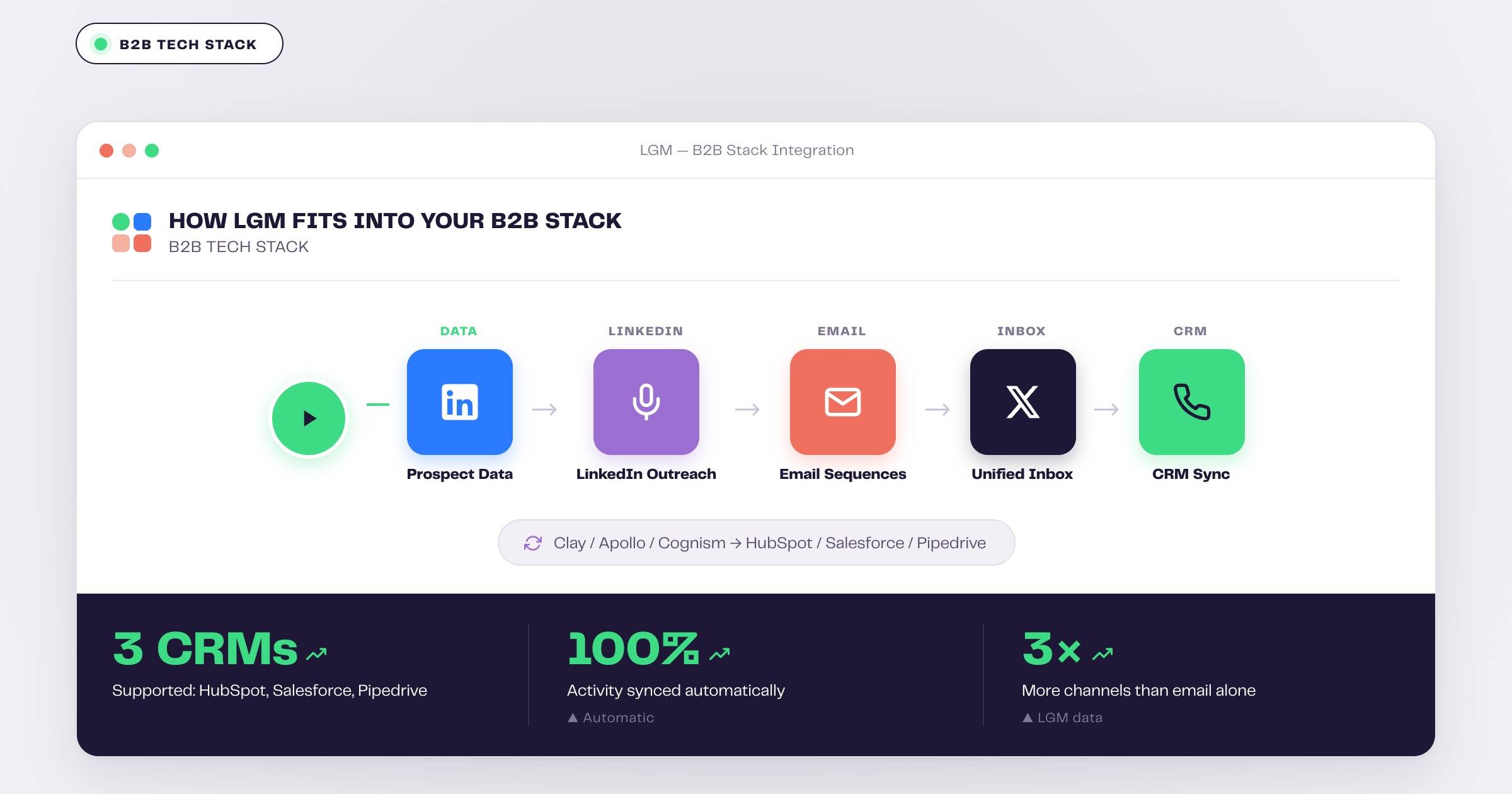
The multichannel capability is what differentiates LGM from single-channel tools. A sequence can combine a LinkedIn connection request, a personalized LinkedIn message, an email, and a Twitter DM into a single coordinated campaign – all managed from one interface. Each step triggers based on the lead’s response to the previous one, so the sequence adapts to behavior rather than firing on a fixed timer.
Native CRM sync with HubSpot, Salesforce, and Pipedrive means every interaction – reply, click, connection accepted, bounce – flows into your CRM automatically. Sales managers get full visibility into which sequences are driving pipeline without chasing reps for manual updates. And because LGM syncs bidirectionally, leads that move stage in the CRM can trigger or pause sequences in LGM without manual intervention.
For teams at any stage – from a 2-person founding team to a 100-person enterprise sales org – LGM provides the outreach infrastructure that converts good data into booked meetings.
How to Audit and Optimize Your Current B2B Stack
Most B2B sales teams are overpaying for tools they underuse. A quarterly stack audit takes two hours and typically uncovers 20-30% in redundant spend.
Identify overlaps. Map every tool you pay for against the six categories above. If you have two tools doing the same job – two enrichment tools, two outreach platforms, two automation layers – that is a direct cost to cut. Common overlaps: Apollo’s built-in sequencing paid for alongside a dedicated outreach tool; Zapier and Make both active; HubSpot and Salesforce both running in parallel during a migration that never completed.
Measure tool utilization. Pull login data and active user counts for every tool on your stack. A tool used by fewer than 60% of the people it is licensed for is a candidate for downgrade or cancellation. Most SaaS vendors will give you this data on request.
Calculate true cost per tool. License cost is only part of the story. Add the time cost of configuration, training, and manual work the tool requires to function. A $50/month tool that requires 5 hours/week of manual data entry to keep running is more expensive than a $200/month tool that automates the same output.
Prioritize based on pipeline impact. Not every tool contributes equally to revenue. Score each tool against three questions: Does removing this tool break a core workflow? Does it directly contribute to meetings booked or deals closed? Is there a cheaper tool that does the same job? Tools that score low on the first two and high on the third are the first to cut.
FAQ
What is a B2B tech stack?
A B2B tech stack is the collection of software tools a B2B sales and marketing team uses to run its entire revenue operation – from finding prospects to closing deals and retaining customers. It typically covers six categories: prospecting and data, outreach and engagement, CRM, marketing automation, workflow automation, and analytics.
What tools should every B2B company have?
At minimum, every B2B company needs a CRM to track deals and contacts, an outreach tool to run sequences, and a data source to find and verify prospect contact information. As the team grows, marketing automation, workflow automation, and dedicated analytics tools become increasingly important for pipeline predictability.
How much does a B2B tech stack cost?
Stack cost scales with company size. Early-stage teams (1-5 people) can run an effective stack for €150/month. Growth-stage teams (10-30 people) typically spend €600-€1,000/month. Scale-stage organizations (50+ people) with enterprise tools can spend €3,000-€10,000/month or more. The key is matching tool depth to actual workflow complexity rather than buying enterprise software before the team is ready to use it.
What is the most important tool in a B2B stack?
The CRM is the foundation – every other tool should feed data into it. But the tool with the highest direct impact on pipeline generation is typically the outreach platform. If your sequences are not converting to meetings, the rest of the stack is irrelevant. Investing in multichannel outreach capability – LinkedIn, email, and additional channels in coordinated sequences – consistently has the highest ROI for sales-led B2B teams.
How do I reduce my B2B tech stack costs?
Start with a utilization audit: pull active user counts for every tool and cancel licenses for users who have not logged in within 30 days. Then look for tool overlap – two tools doing the same job is the most common source of waste. Finally, consider consolidated platforms like La Growth Machine that combine enrichment and outreach in a single subscription rather than paying for each separately.
How do I choose between HubSpot and Salesforce?
Choose HubSpot if you are under 50 reps, do not have dedicated RevOps support, and want a tool that combines CRM and marketing automation in one platform. Choose Salesforce if you have complex custom objects, large deal volumes, and a RevOps team to manage configuration. Migrating between them is expensive – get the decision right based on where you expect to be in 18 months, not where you are today.
Conclusion
The B2B tech stack is the infrastructure that turns your team’s effort into predictable pipeline. The six categories – prospecting and data, outreach and engagement, CRM, marketing automation, workflow automation, and analytics – each play a specific role in the revenue workflow. Get the architecture right, and every tool amplifies the others. Get it wrong, and you end up with expensive software that reps do not use and data that never reaches the right place.
La Growth Machine sits at the center of an efficient B2B stack. It replaces your enrichment tool and your outreach platform in one, syncs natively with your CRM, and gives your team the multichannel capability – LinkedIn, email, Twitter – to reach prospects wherever they are most active. Whether you are building your first stack or auditing an existing one, LGM is the outreach layer that converts good data into booked meetings.
Start your 14-day free trial at lagrowthmachine.com and see how many meetings your team can book in the first two weeks.