
TL;DR
A sales tech stack is the set of tools your team uses to prospect, reach out, manage pipeline, and report on revenue – organized into four layers: Data & Prospecting, Outreach & Engagement, CRM & Pipeline, and Automation & Reporting.
The most important decision is your outreach layer – pick a tool that runs LinkedIn, email, and multichannel sequences natively so you eliminate silos and get unified data. La Growth Machine is the top pick: one platform replaces three, with built-in waterfall enrichment, conditional workflows, and native CRM sync.
Stack cost varies by stage – a lean stack (LGM + HubSpot + Kaspr) runs ~€150/month, a growth stack (LGM + Apollo + HubSpot Sales Hub + Clay) runs ~€700/month, and an enterprise stack (LGM + Cognism + Salesforce + Salesloft + Clay + Make) runs ~€2,500/month.
Build in order: define your ICP first, set up your CRM as the foundation, add La Growth Machine as your outreach core, layer in data enrichment once sequences are validated, then connect everything with Zapier or Make.
Your sales tech stack determines how fast your team moves, how well your pipeline holds up, and how much revenue you can generate at scale. It is not just a list of software subscriptions. It is the architecture of your entire outbound and inbound sales motion.
Most sales teams build their stack backwards. They pick tools because a competitor uses them, because a vendor pitched them well, or because someone heard about them at a conference. The result is a bloated mess of overlapping tools that cost a fortune and generate friction at every handoff. The teams that outperform their market do the opposite: they start with a motion, map that motion to layers, then pick the fewest tools that cover each layer completely.
The modern B2B sales tech stack has four layers: data and prospecting, outreach and engagement, CRM and pipeline, and automation and reporting. Each layer has a clear job to do. When you understand the layers first, the tool decisions get simple. Here is how to build a stack that generates pipeline, books meetings, and ties directly to revenue.
Stack Overview
| Layer | Job to be Done | Top Tools | Est. Monthly Cost |
|---|---|---|---|
| Data & Prospecting | Find and enrich contacts that match your ICP | Apollo, Cognism, Clay, Kaspr, Lusha, LinkedIn Sales Navigator | $50-$500 |
| Outreach & Engagement | Contact prospects across channels, track responses | La Growth Machine, Salesloft, Outreach | $60-$500 |
| CRM & Pipeline | Track deals, manage relationships, forecast revenue | HubSpot, Salesforce, Pipedrive | $0-$300 |
| Automation & Reporting | Connect tools, automate workflows, report on results | Zapier, Make | $0-$100 |
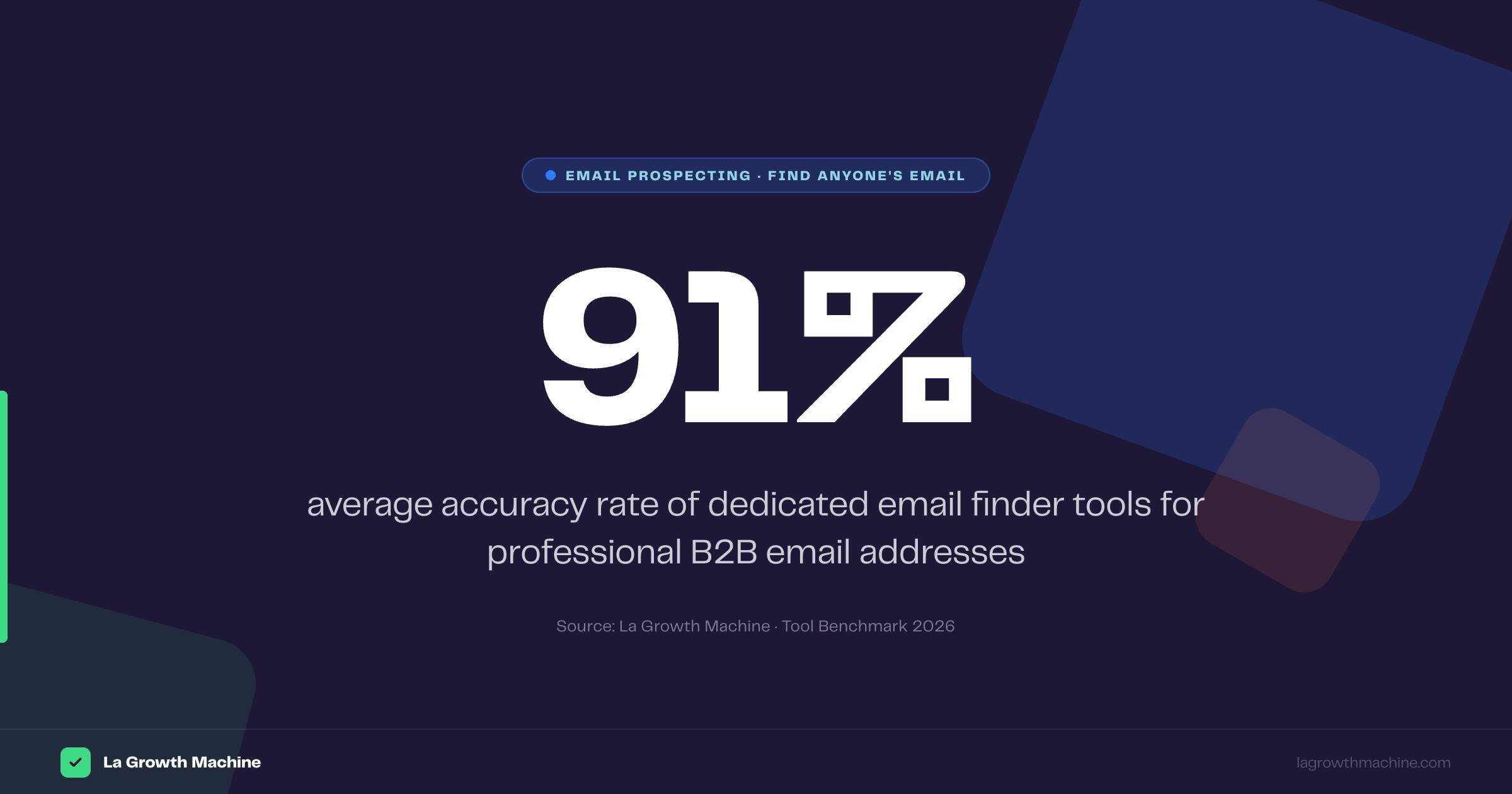
The 4 Layers of a Modern Sales Tech Stack
Layer 1 – Data and Prospecting
Your data layer is the engine room of outbound. It answers one question: who should your team contact, and how do you reach them? Without clean, accurate contact data, your outreach efforts waste time on bounced emails, irrelevant prospects, and dead-end sequences.
The best data tools in 2026 combine prospecting (finding people who match your ICP) with enrichment (finding verified emails, phone numbers, and firmographic context). Some tools like Clay go further by letting you build waterfall enrichment workflows that run multiple data sources in sequence, so you always get the highest-quality contact data available.
The key metric for this layer is data accuracy rate. If your email bounce rate is above 5%, your data layer is failing you.
Layer 2 – Outreach and Engagement
Your outreach layer is where pipeline gets created. This is the tool that sends messages, runs sequences, and manages the conversation until a prospect becomes a meeting. It is the most visible layer in your stack because it is the one your reps use every day.
The biggest mistake teams make at this layer is using three separate tools for LinkedIn outreach, email sequences, and follow-ups. That creates siloed data, inconsistent messaging, and a nightmare for anyone trying to understand what actually drove a booking. A modern outreach platform handles all channels natively, adapts sequences to prospect behavior, and syncs every touchpoint back to your CRM automatically.
Layer 3 – CRM and Pipeline
Your CRM is the foundation layer. Every other tool in your stack should sync to it. It holds the source of truth for deals, contacts, and pipeline health. Without a properly configured CRM, you cannot forecast accurately, you cannot coach reps effectively, and you cannot understand which channels drive the most revenue.
CRM selection depends heavily on your stage. Early-stage teams get strong value from HubSpot’s free tier. Growth-stage teams need the pipeline management and reporting depth of HubSpot Sales Hub or Pipedrive. Enterprise teams typically standardize on Salesforce because of its customization depth and ecosystem of integrations.
Layer 4 – Automation and Reporting
The automation layer is the glue that makes everything else work. It handles the handoffs: when a prospect replies to a sequence, update the CRM. When a deal closes, trigger onboarding. When a rep books a meeting, log it in the right place.
Zapier and Make are the dominant tools here. Make is more powerful for complex multi-step workflows with conditional logic. Zapier is easier to set up and has a larger library of pre-built integrations. Most teams use one of these to connect their data, outreach, and CRM layers without writing custom code.
Best Tools by Layer
Data and Prospecting
Apollo is one of the most popular prospecting tools for B2B sales teams. It combines a 275M+ contact database with built-in email sequencing, making it a strong option for teams that want data and outreach in one place. The database quality is strong for US-focused ICP, with good coverage of tech, SaaS, and mid-market companies.
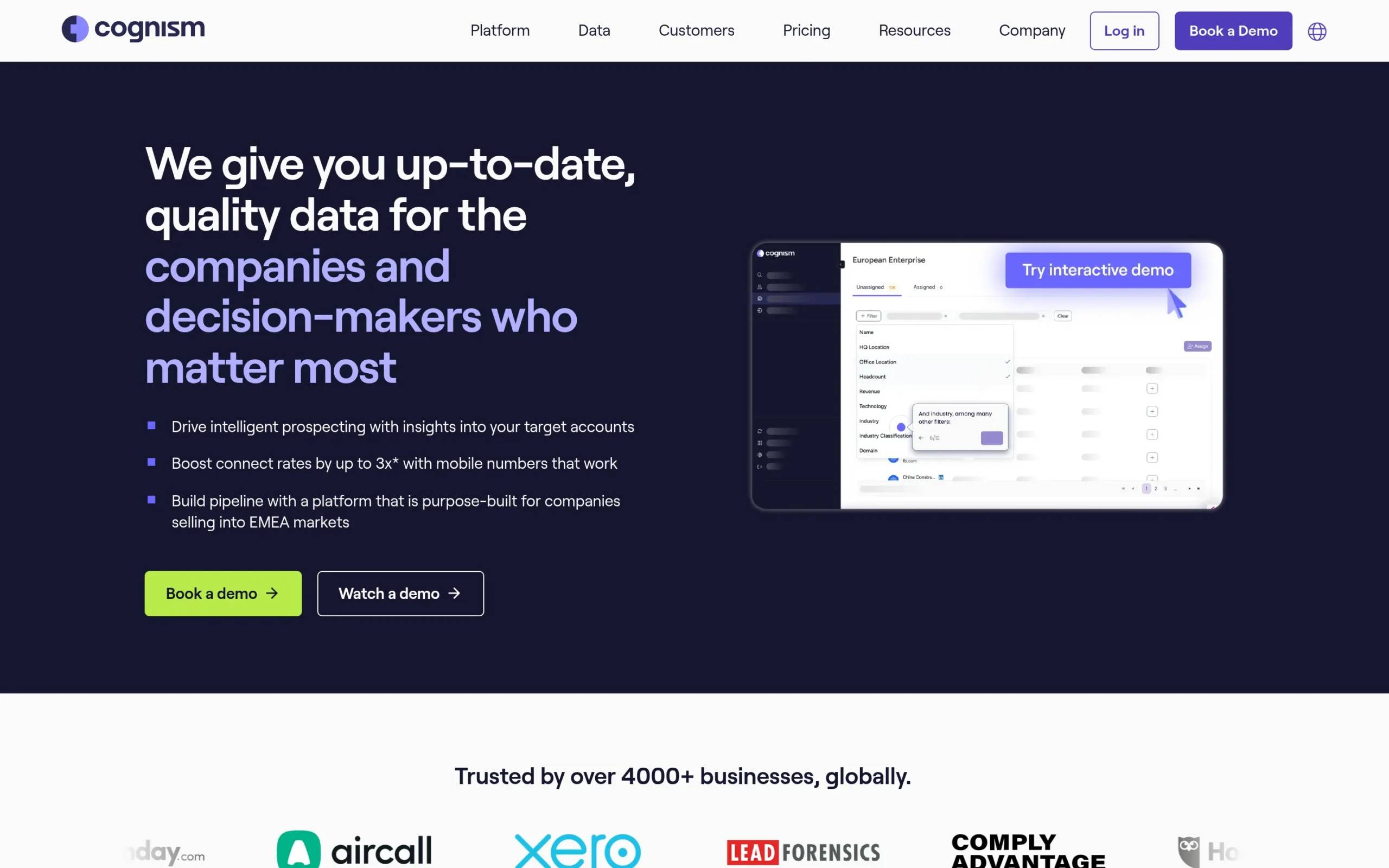
Cognism leads the market for EMEA data quality. Its mobile-verified phone numbers and GDPR compliance make it the default choice for enterprise teams selling into Europe. Intent data and technographic filters let you target companies showing active buying signals.
Clay is the most powerful enrichment platform available. It is not a traditional prospecting tool but rather a workflow builder that pulls from 75+ data sources in sequence. You give it a company name or LinkedIn URL and it waterfalls through enrichment sources until it finds a verified email, phone, or firmographic field. Teams that use Clay typically see data quality improvements of 30-40% versus single-source tools.
Kaspr is a LinkedIn-native data tool that extracts contact information directly from LinkedIn profiles. It works as a Chrome extension and is one of the fastest ways to build targeted lists from LinkedIn Sales Navigator searches. Strong for SDRs who work heavily within LinkedIn.
Lusha is a straightforward contact enrichment tool with good accuracy for direct dial numbers. It integrates with most CRMs and is popular with teams that need quick one-click enrichment without complex workflow setup.
LinkedIn Sales Navigator remains the gold standard for ICP targeting. Its advanced search filters, account alerts, and real-time job change tracking make it indispensable for account-based sales motions. Most enterprise teams use it as a prospecting layer on top of a dedicated enrichment tool.
Outreach and Engagement
La Growth Machine is the top pick for multichannel outreach. It runs native LinkedIn, email, and Twitter sequences in a single platform, with conditional logic that adapts your sequence to how each prospect behaves. Unlike tools that bolt on LinkedIn as a plugin, LGM was built multichannel from day one, which means the inbox, the analytics, and the CRM sync all work across channels without hacks.
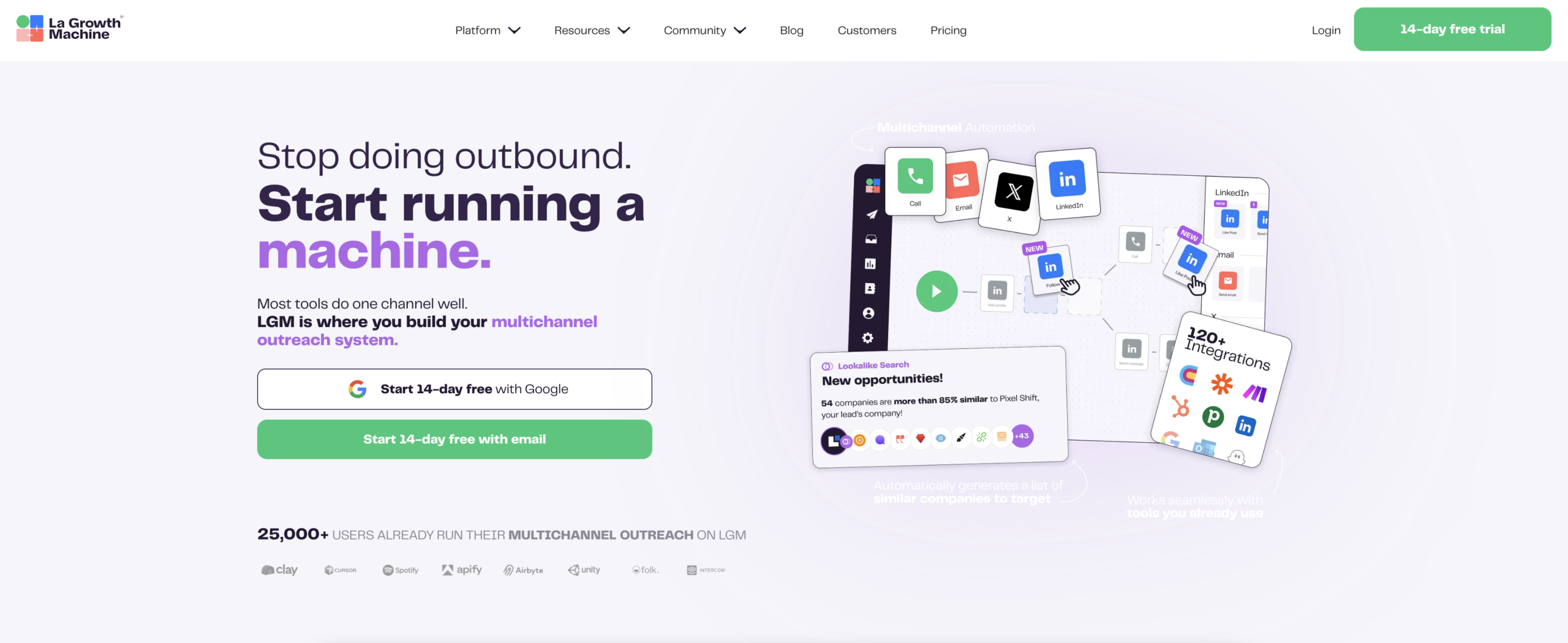
LGM also includes waterfall enrichment built in, so you do not need a separate enrichment tool for email finding. Plans start at Basic (EUR 60/month per identity), Pro (EUR 120/month per identity), and Ultimate (EUR 180/month per identity). The Pro and Ultimate plans unlock the full conditional workflow builder, LinkedIn Intents, and Voice Message AI features that drive significantly higher reply rates.
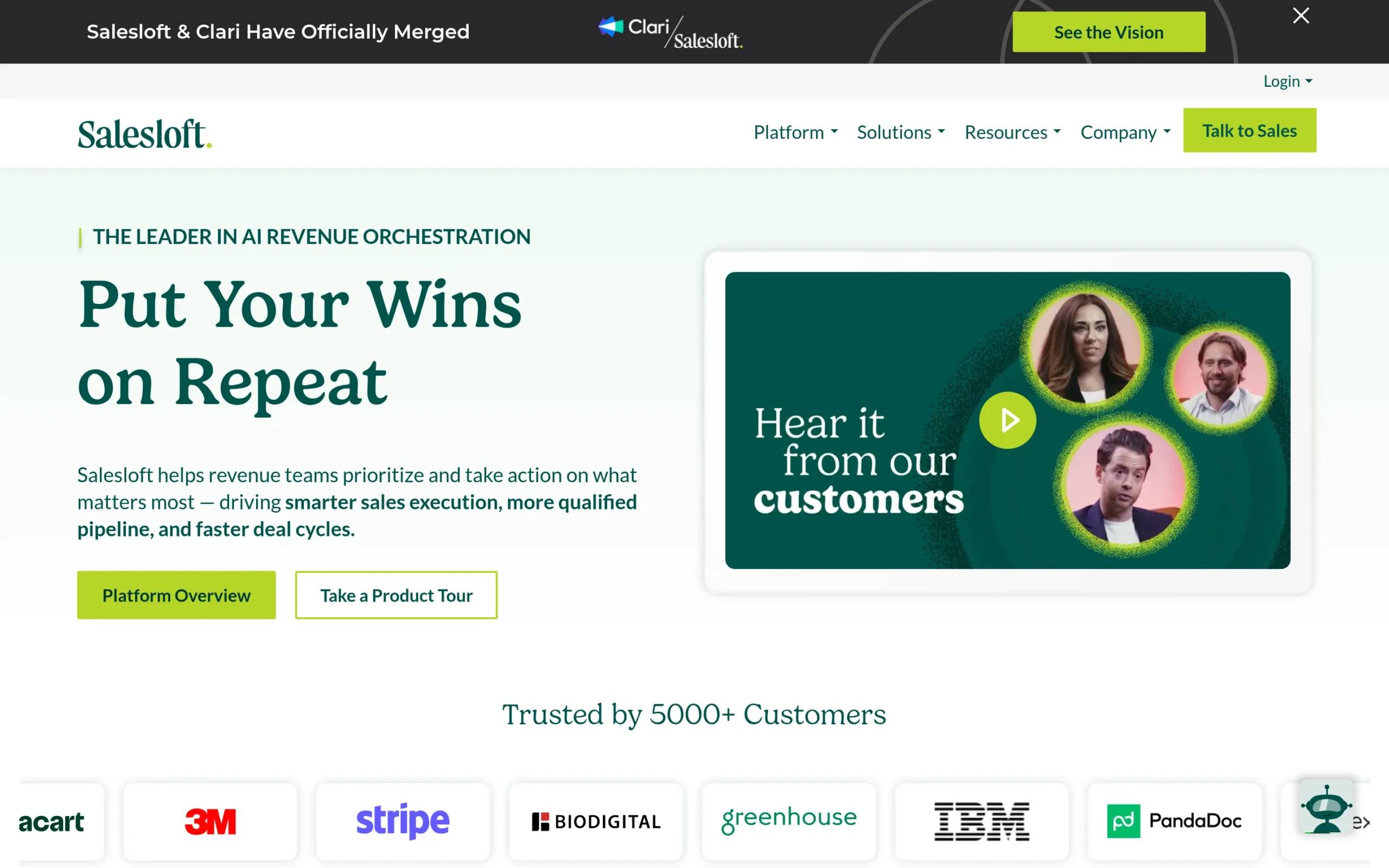
Salesloft is the enterprise-grade sales engagement platform. It combines sequencing, call logging, conversation intelligence, and deal management in a unified platform. It is best suited for large sales teams that need deep reporting, coaching tools, and Salesforce integration.
Outreach competes directly with Salesloft and is similarly positioned for enterprise. Its strength is deal health scoring and pipeline management, making it popular with RevOps-heavy teams that want to tie engagement data directly to pipeline forecasting.
CRM
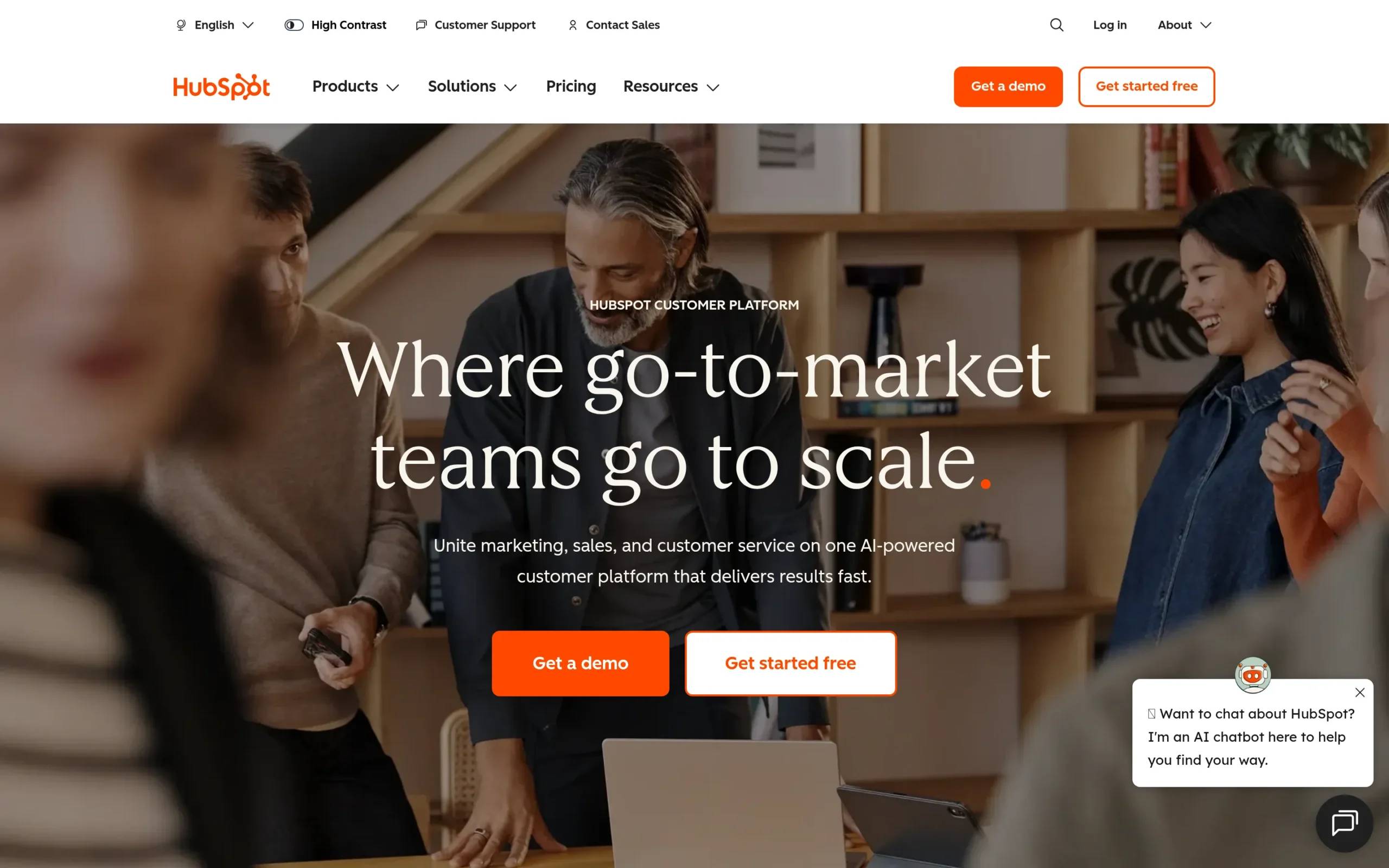
HubSpot is the default CRM for growth-stage teams. The free tier is genuinely useful and covers basic contact management, deal tracking, and email logging. HubSpot Sales Hub adds sequences, meeting booking, and advanced reporting. The interface is intuitive and onboarding time is fast compared to Salesforce.
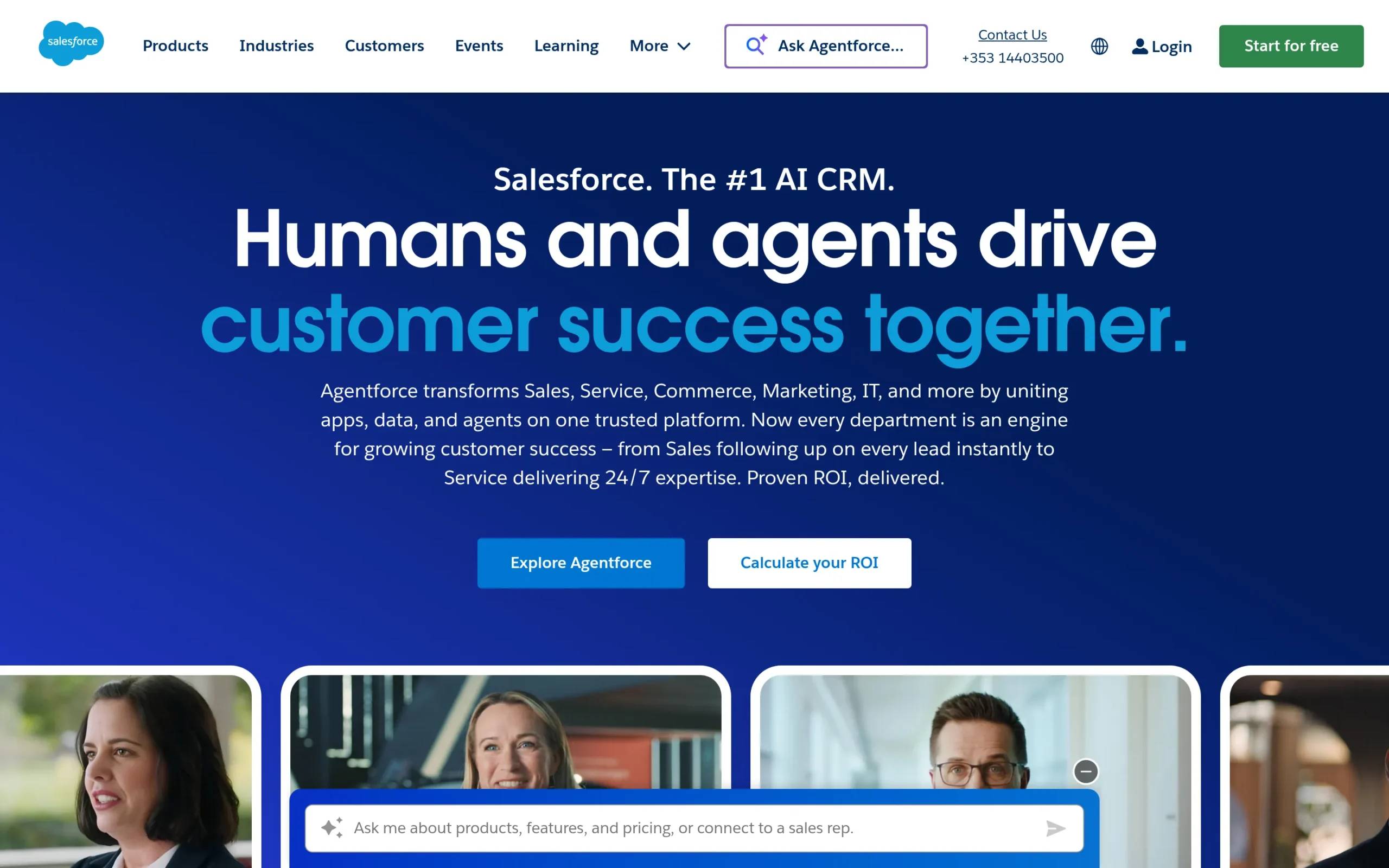
Salesforce is the enterprise standard. Its flexibility, ecosystem depth, and reporting capabilities are unmatched, but it requires significant configuration investment and admin resources. For teams above 50 reps or with complex deal structures, Salesforce pays for itself in pipeline visibility alone.
Pipedrive is the best option for small to mid-size teams that want a focused, deal-centric CRM without the complexity of HubSpot or Salesforce. The pipeline view is intuitive, the mobile app is strong, and the automation builder covers most common workflows without needing Zapier.
Automation
Zapier is the most widely used automation tool in sales stacks. It connects 6,000+ apps and has a large library of pre-built “Zaps” for common sales workflows. Setup is fast and no-code, making it accessible to non-technical teams.
Make (formerly Integromat) is more powerful than Zapier for complex scenarios. Its visual workflow builder handles multi-step logic, loops, and data transformation that would be difficult or impossible in Zapier. Teams with technical RevOps resources typically prefer Make for its flexibility.
Sales Tech Stack Examples by Stage
Lean Stack: 1-5 People (approx. EUR 150/month)
For a small team or solo founder, the priority is speed and simplicity. You need one tool that can find prospects, reach out across channels, and sync to a CRM without requiring a dedicated admin.
- La Growth Machine (Basic, EUR 60/month per identity): multichannel outreach across LinkedIn and email with built-in enrichment
- HubSpot CRM Free: deal tracking, contact management, and email logging at zero cost
- Kaspr (approx. EUR 45-90/month): LinkedIn-native contact enrichment for building targeted lists fast
This stack costs roughly EUR 150/month all in and covers the full outbound motion from prospecting through CRM sync. It is the right starting point before you have enough data to know where your bottlenecks are.
Growth Stack: 5-20 People (approx. EUR 700/month)
At this stage you need better data quality, more sophisticated sequences, and a CRM with real reporting depth.
- La Growth Machine (Pro, EUR 120/month per identity x2-3 identities): full multichannel with conditional workflows and LinkedIn Intents
- Apollo (approx. EUR 100/month): ICP prospecting database with strong US and SaaS coverage
- HubSpot Sales Hub Starter (approx. EUR 45/month per seat): pipeline management, meeting booking, and sequences
- Clay (approx. EUR 150/month): waterfall enrichment for high-intent target accounts
This stack starts generating enough data to understand which sequences, channels, and ICP segments are driving bookings. Your CRM becomes a genuine source of truth rather than a contact dump.
Enterprise Stack: 20+ People (approx. EUR 2,500/month)
Enterprise teams need data breadth, compliance, conversation intelligence, and deep CRM integration across a large team.
- La Growth Machine (Ultimate, EUR 180/month per identity x5+ identities): full platform including Voice Message AI and social warming
- Cognism (approx. EUR 800/month): EMEA-grade verified data with intent signals and GDPR compliance
- Salesforce (approx. EUR 300/month for Sales Cloud): enterprise-grade pipeline management and forecasting
- Salesloft (approx. EUR 150/month per seat x5 seats): enterprise sequencing with conversation intelligence
- Clay (approx. EUR 200/month): enrichment automation and custom data workflows
- Make (approx. EUR 100/month): complex automation connecting all stack layers
At this level, the stack is a full RevOps motion. Every touchpoint is tracked, every sequence is optimized by channel and persona, and pipeline data flows cleanly from outreach through to closed revenue.
Why La Growth Machine Is the Outreach Core of Any Sales Stack
Most teams end up running two or three outreach tools in parallel: one for LinkedIn, one for email, one for follow-ups. The result is fragmented data, inconsistent cadences, and reps switching between platforms all day. La Growth Machine eliminates that problem by running multichannel outreach natively in one place.
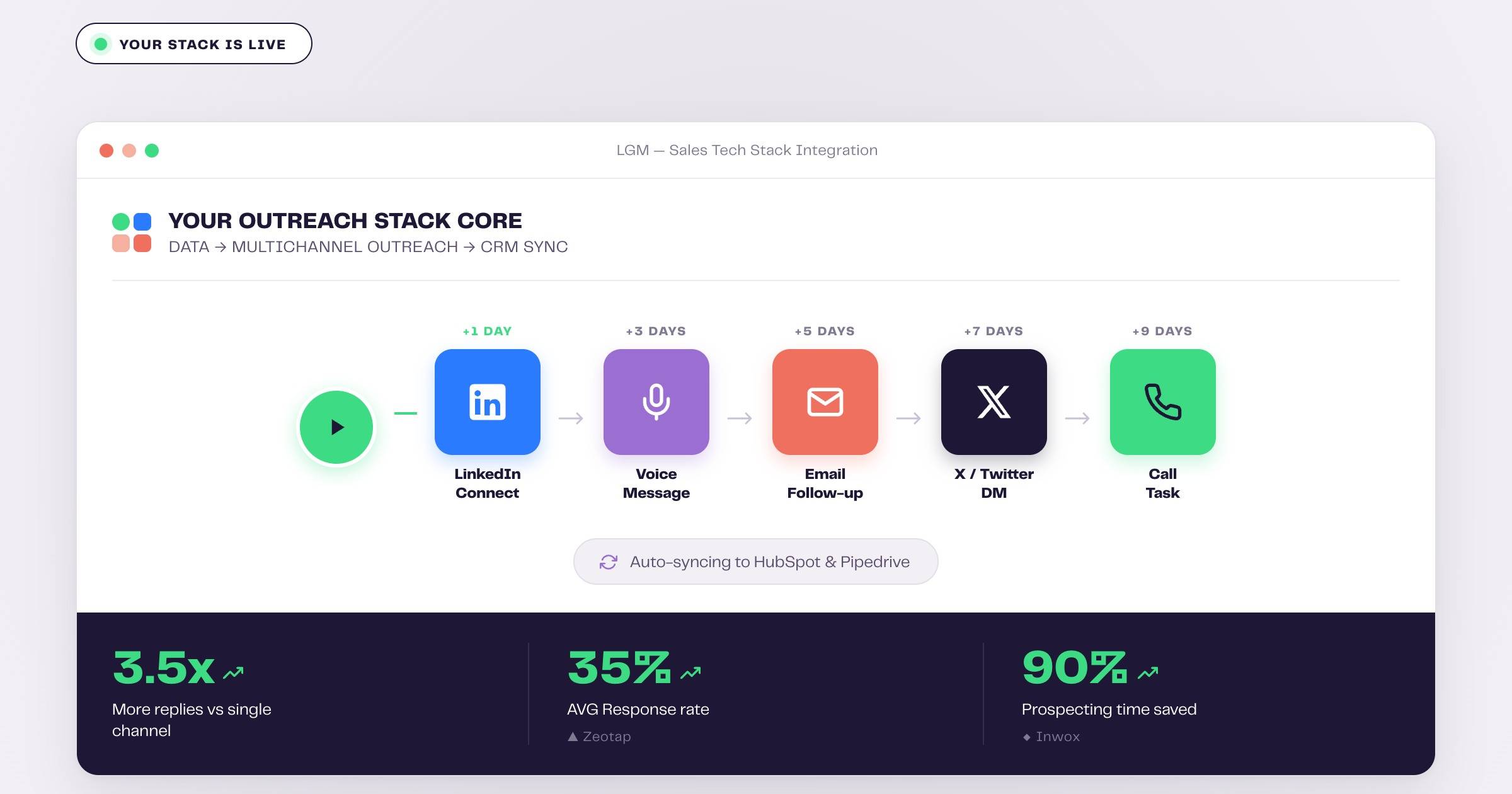
Here is what makes LGM the outreach core for B2B teams at any stage:
Native multichannel across LinkedIn, email, and Twitter. LGM sequences run all three channels from one campaign builder. You can build a sequence that starts with a LinkedIn connection request, follows up by email if there is no reply in three days, then sends a Twitter DM, all within a single conditional workflow. One tool replaces what would otherwise require three separate platforms, three separate inboxes, and three separate reporting dashboards.
Waterfall enrichment built in. LGM automatically finds and verifies email addresses for your LinkedIn prospects without requiring a separate enrichment tool. It runs through multiple sources in sequence to maximize coverage. For most teams at the lean or growth stage, this eliminates the need to pay for a standalone enrichment tool.
Conditional workflows that adapt to behavior. Standard sequences send the same messages to everyone regardless of what they do. LGM’s conditional workflows let you branch based on replies, LinkedIn connections, email opens, and clicks. A prospect who connects on LinkedIn but does not reply gets a different path than one who opens three emails without clicking. This behavioral adaptation drives meaningfully higher reply rates.
Native CRM sync with HubSpot, Salesforce, and Pipedrive. Every activity, reply, and sequence status in LGM syncs back to your CRM in real time. No Zapier needed for the core data flow. Your CRM stays current without manual updates, and your reps can see the full contact history in one place.
Voice Message AI, LinkedIn Intents, and Social Warming. These features are unique to LGM and create touchpoints that standard outreach tools cannot replicate. Voice messages sent via LinkedIn have dramatically higher open and reply rates than text messages. LinkedIn Intents lets you target prospects who have recently visited your website or engaged with your content. Social Warming builds passive relationship signals before your first direct outreach.
How to Build Your Sales Tech Stack Step by Step
Building a stack that actually works requires starting from your motion, not from a tool wishlist. Here is the right sequence.
Step 1: Define your ICP and outbound motion. Before you pick any tool, know exactly who you are targeting, which channels they are active on, and what volume of outreach your team can sustain. A 2-person team targeting mid-market SaaS in Europe has completely different requirements than a 20-person team targeting enterprise financial services in the US.
Step 2: Pick your CRM first. The CRM is the foundation layer. Everything else syncs to it. If you pick your outreach tool first and then figure out CRM later, you will end up with messy data migrations and broken integrations. For most teams, HubSpot free is the right starting point. If you know you will hit 50+ reps within two years, evaluate Salesforce early.
Step 3: Add your outreach tool. La Growth Machine integrates natively with HubSpot, Salesforce, and Pipedrive, so once your CRM is in place, connecting LGM is straightforward. Set up your first campaign, connect your LinkedIn account, configure your email inbox, and run a small test sequence to validate the data flow before going full volume.
Step 4: Add data enrichment. Once your outreach and CRM are connected, add a data layer. Start with LGM’s built-in enrichment for email finding. If you need deeper ICP targeting, add Apollo for prospecting databases or Clay for advanced waterfall enrichment. Do not pay for a data tool until you have validated that your outreach motion works.
Step 5: Connect everything with automation. Once your three core layers are running, use Zapier or Make to automate the handoffs. Common workflows: new meeting booked triggers a deal creation in CRM, reply received updates contact stage, sequence completed creates a follow-up task. These automations save hours of manual work per rep per week.
Common Sales Tech Stack Mistakes to Avoid
Buying tools before validating your motion. The most expensive mistake in sales tech is buying a full enterprise stack before you know what sequences work, which channels convert, and which ICP segments respond. Start lean, validate the motion, then invest.
Overlapping tools at the same layer. If you have Apollo and Cognism and Lusha all running simultaneously, you are paying three times for the same job. Pick one primary tool per layer and use the others only when the primary has gaps.
Treating the CRM as an afterthought. Teams that implement outreach tools before configuring their CRM end up with contact data that lives in 10 different places. Your CRM is the source of truth. Configure it first and make sure every other tool syncs to it.
Ignoring multichannel. Email-only sequences in 2026 generate a fraction of the reply rates that multichannel sequences do. LinkedIn response rates for well-targeted messages are consistently 3-5x higher than cold email. If your outreach tool does not run LinkedIn natively, you are leaving significant pipeline on the table.
Not measuring by layer. Most teams measure outreach results (reply rate, meeting booked rate) but not data quality (bounce rate, enrichment coverage) or automation reliability (sync errors, missed triggers). Instrument all four layers and you will know exactly where to optimize when performance dips.
Paying for complexity you do not use. Enterprise tools have enterprise pricing for a reason. A 5-person team does not need Salesloft. A solo founder does not need Cognism. Match the tool to the stage and upgrade when you outgrow your current capability.
FAQ
What is a sales tech stack? A sales tech stack is the collection of software tools a sales team uses to prospect, reach out, manage pipeline, and report on results. The best stacks are organized into four layers: data and prospecting, outreach and engagement, CRM and pipeline, and automation and reporting.
How much does a sales tech stack cost? Costs vary significantly by team size. A lean stack for a 1-5 person team runs approximately EUR 150/month. A growth stack for a 5-20 person team runs approximately EUR 700/month. An enterprise stack for 20+ people typically runs EUR 2,500/month or more depending on seat counts and data volume.
What is the most important tool in a sales tech stack? The CRM is the foundation because every other tool syncs to it. But the outreach tool has the biggest direct impact on pipeline generation because it is what your reps use to contact prospects every day. Choosing an outreach tool that handles multiple channels natively, like La Growth Machine, eliminates the need for several separate tools.
Do I need a separate enrichment tool? Not necessarily. La Growth Machine includes built-in waterfall enrichment that finds verified emails for LinkedIn prospects, which covers most enrichment needs for lean and growth-stage teams. Enterprise teams or those targeting niche ICPs often add Clay or Cognism for deeper coverage.
How do I connect all the tools in my stack? Native CRM integrations handle the most important data flows. La Growth Machine syncs natively with HubSpot, Salesforce, and Pipedrive. For everything else, Zapier or Make can connect your tools without custom code. Most teams need fewer automations than they think once their core integrations are set up.
What is the difference between Salesloft and La Growth Machine? Salesloft is an enterprise sales engagement platform built primarily around email sequences and call logging, with strong conversation intelligence features. La Growth Machine is a multichannel outreach platform built natively for LinkedIn, email, and Twitter with conditional workflow logic and built-in enrichment. LGM is better suited for teams that rely heavily on LinkedIn outreach and want multichannel sequences without enterprise complexity or pricing.
Conclusion
A well-designed sales tech stack is a force multiplier. The teams that book the most meetings and generate the most pipeline are not the ones with the most tools. They are the ones with the right tools in the right layers, each doing its specific job cleanly.
Start with your ICP and motion. Set up your CRM as the foundation. Add La Growth Machine as your outreach core and run multichannel sequences across LinkedIn, email, and Twitter from day one. Layer in data enrichment once you have validated your sequences. Connect everything with automation so your CRM stays current without manual effort from your reps.
La Growth Machine offers a 14-day free trial with no credit card required. You can launch your first multichannel campaign, connect to your CRM, and generate real pipeline before you pay anything. Start your free trial at lagrowthmachine.com.