
Turn Cold Prospects into $3,000+ Clients
All you need
Summary of what you'll do
Duplicate campaign in10steps!
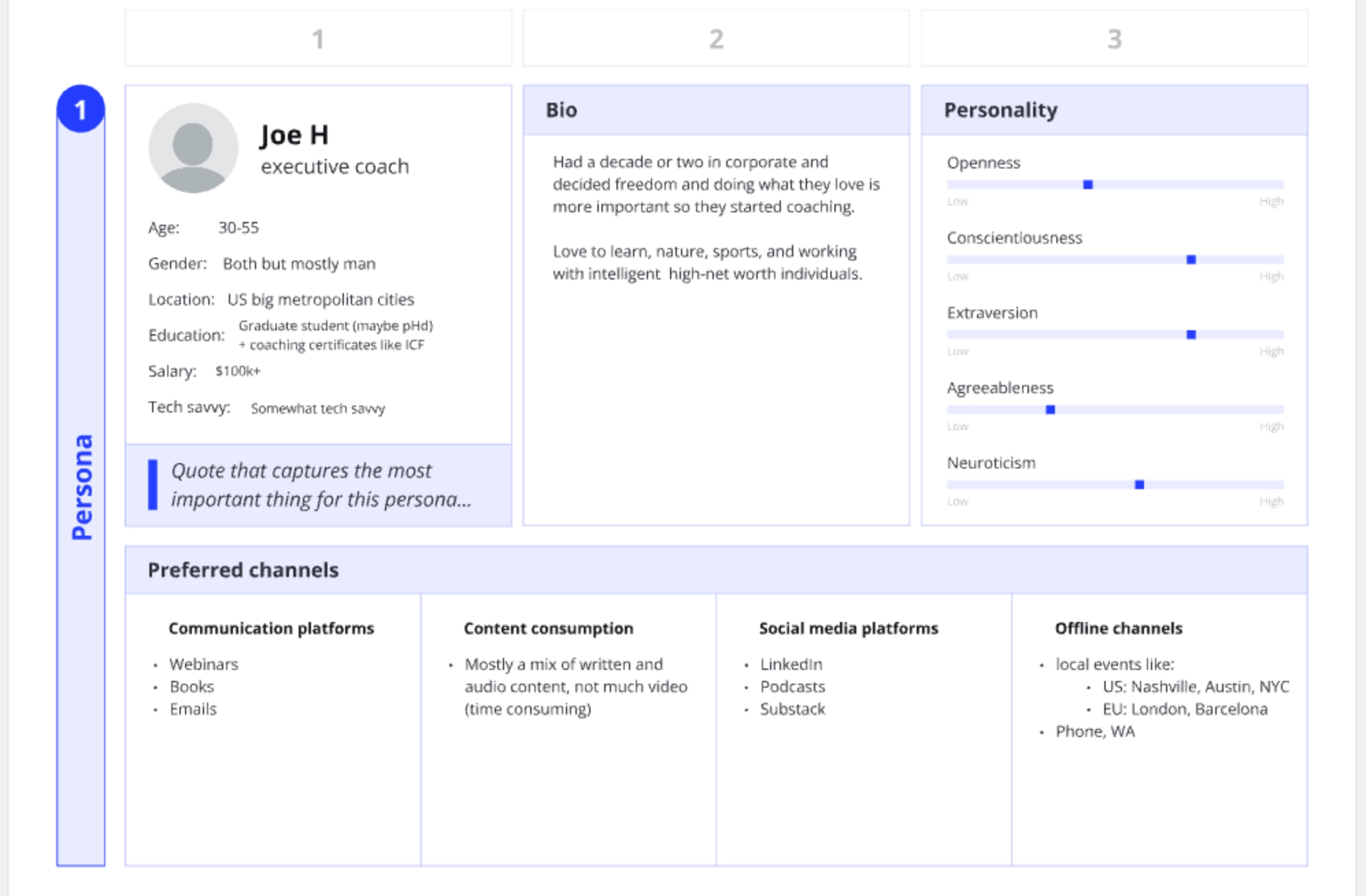
Define your ideal client persona
Start by thinking of your best clients and extracting their persona archetype. Not every client persona is ideal for cold outreach. Find people who are easy to find, reachable, and have a painful problem you can solve.
Fill out demographics like age, job, location, education, income, and marital status. Then map psychographics including their fears and dreams, beliefs, needs and wants, values, behaviors, and personality traits.
This foundation ensures you're targeting prospects who are actually worth your time and effort.
Identify prospect pain points and buying triggers
Define what your client's current state is (their pain) and what their desired state looks like (their gain). This helps you craft relevant case studies demonstrating results with a before and after bridge technique.
Identify your client's buying triggers such as missed revenue months, product launches, client losses, or hiring announcements. These signals indicate when prospects are most receptive to outreach.
Determine where they work, live, and spend time online. Consider location, company size, and which channels they're most active on like LinkedIn and email.

Build your prospect list
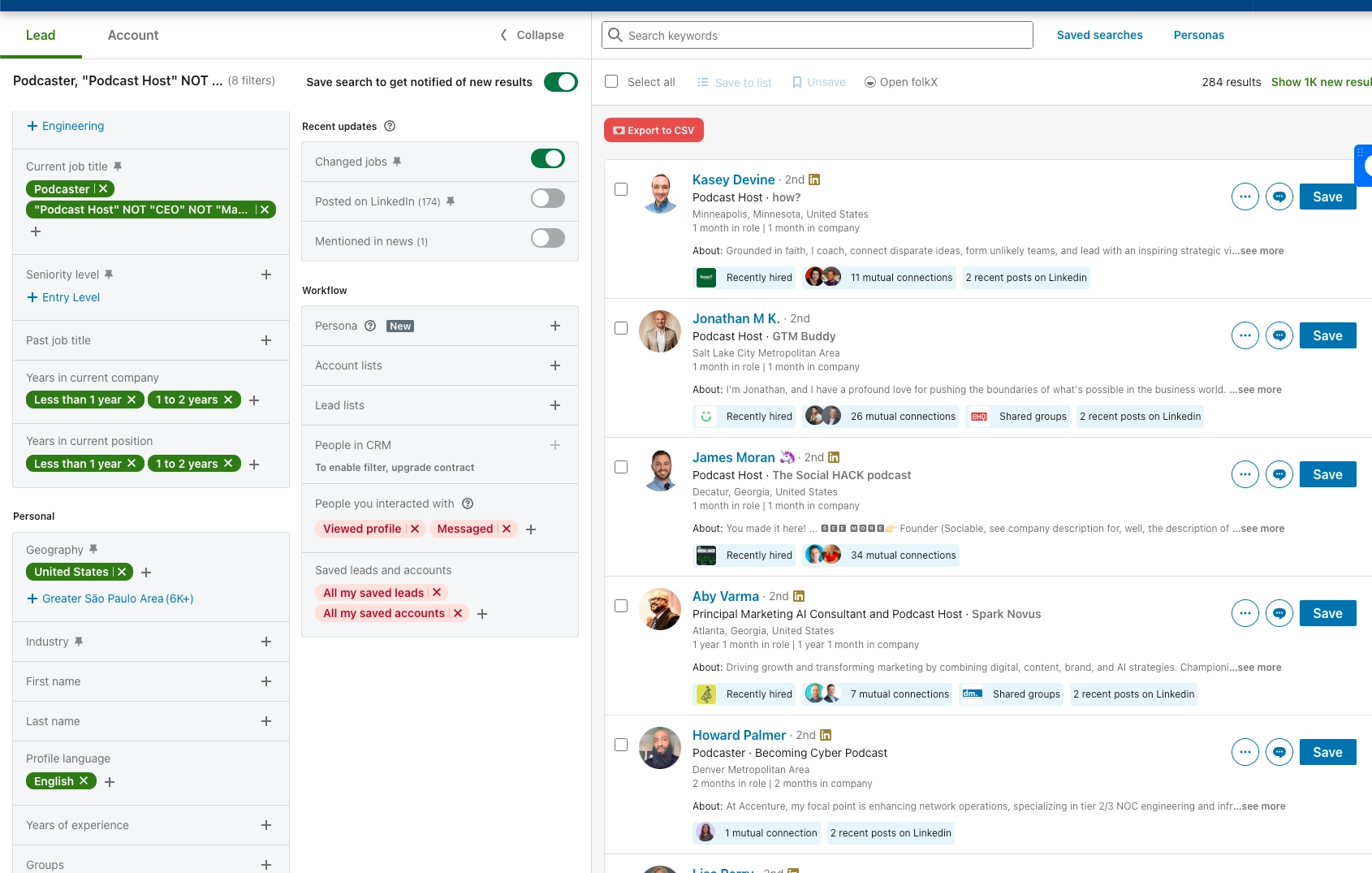
Use Sales Navigator to find your ideal client profile. Search for leads who are self-employed for 3+ years or search for accounts who are hiring and growing their team.
Try boolean search using operators like "OR", "AND", "NOT" to isolate keywords. For example: "CEO" OR "Agency Founder" OR "C-level" OR "Executive" NOT "HR" helps you find decision makers while filtering out HR professionals.
Use strong buying signal triggers like people who are following your company, liked your posts, or posted in the last 30 days. Keep your list under 100 people per campaign. Less is more.
Enrich your leads with La Growth Machine
Next, enrich your lead data with LGM’s lead enrichment to find reliable contact information and limit bounce rates.
Design your multichannel sequence
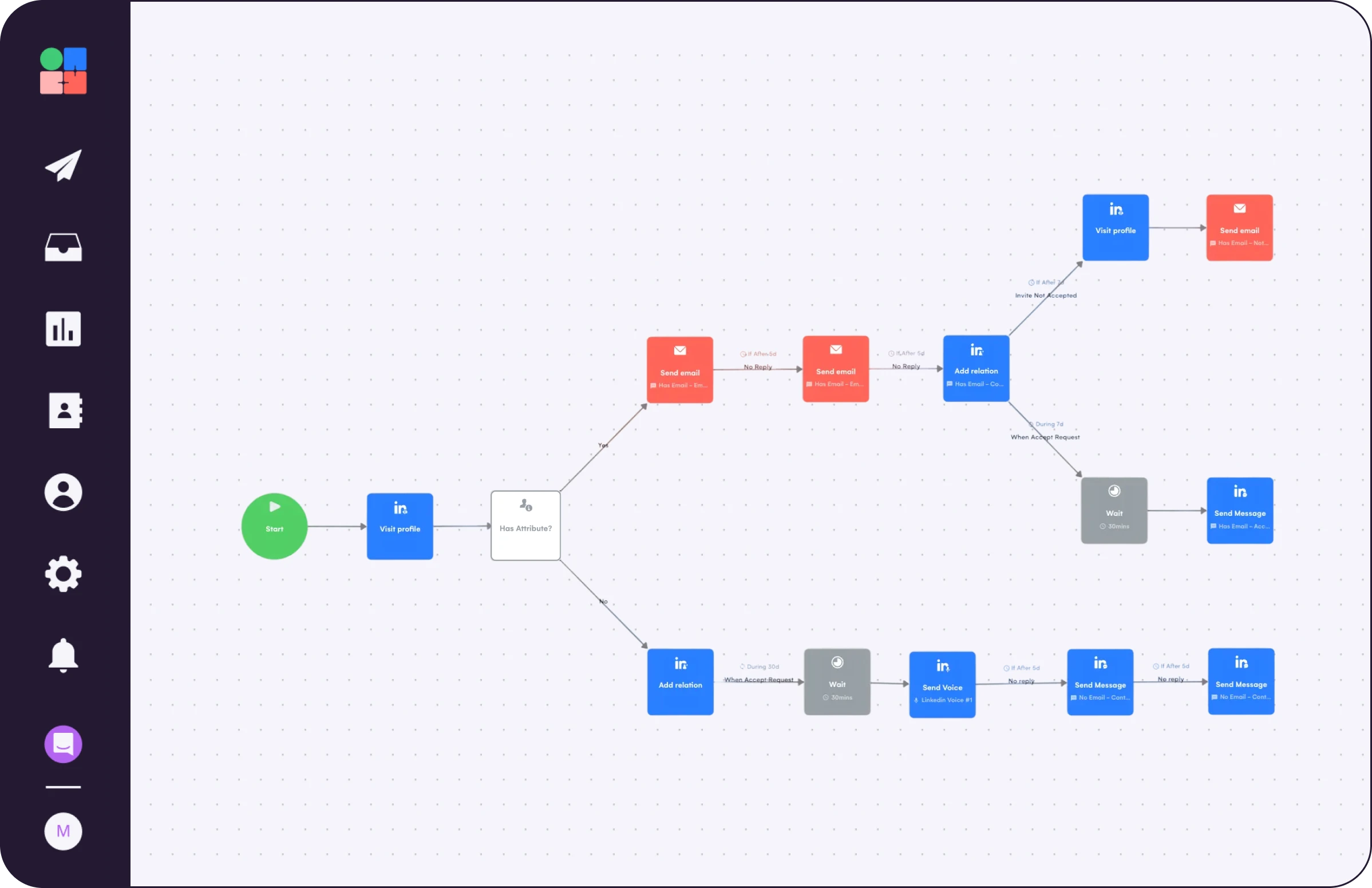
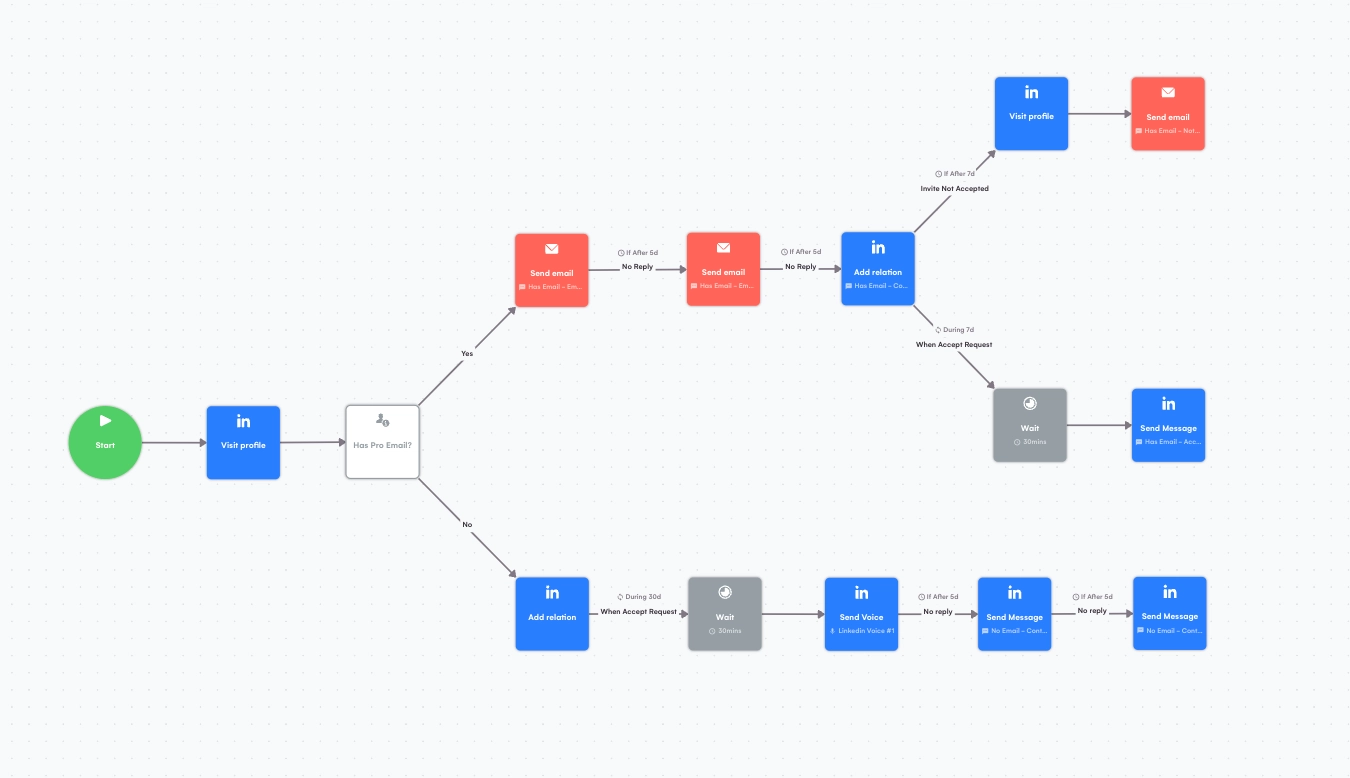
Structure a 3 by 3 sequence with 3 LinkedIn messages and 3 emails. This multichannel approach works because your ideal client profile is mostly using LinkedIn for social proof and email for direct contact.
Wait 3 days before sending the second message, and 7-14 days before sending the third message. This cadence minimizes risk to your LinkedIn profile by focusing on emails first while making 8 touchpoints across two channels.
You'll get faster replies from email plus LinkedIn, especially when using audio notes for an emotional touch. Three follow-ups is enough to see if there's an opportunity right now.
Write copy that converts
Keep your LinkedIn connection request without a note unless you have something specific to say. Your first message should be a voice note under 15-30 seconds that asks a question, makes an observation, or offers a free template or lead magnet.
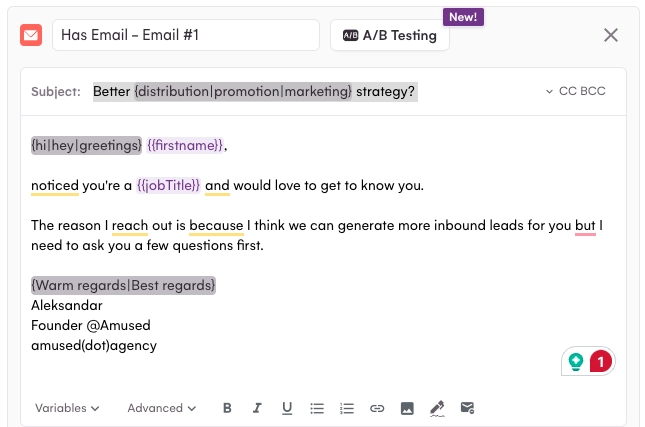
For emails, use spintax to make every email different and bypass spam inbox filters. Keep messages under 100 words without links, images, or documents in early touchpoints.
Adjust your message angle depending on how well you know your ideal client profile. If you're new to the industry, aim for free audits or strategy calls. Once you know the space better, get more direct about results you can deliver.
Optimize follow-ups
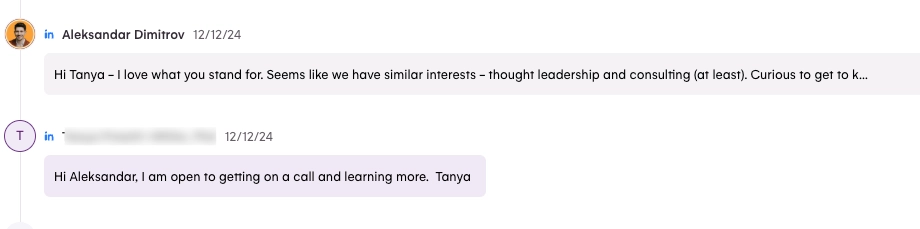
Improve your direct message game by keeping responses short and specific with conversational language. Use open-ended questions instead of close-ended ones to keep conversations flowing.
For booking calls, try both traditional approaches like "What's your best email to send you an invite? I can do Wednesday or Friday between 7-10 am" and scheduling link approaches with tools like Cal.
Use creative follow-ups in your third touchpoint to get a reply, such as "Perhaps you're swamped" or "I'd understand if you're busy" to show empathy and give them an easy out.
Duplicate Alexsandar's campaign

Read Next


How to Build Your First Multichannel AI Sales Agent

How to Become “Product of the Day” on Product Hunt

How to Make Your Automated LinkedIn Outreach Feel Human