
Copywriting is an essential skill for businesses in 2023. With the ever-growing prominence of online advertising and content marketing, the demand for persuasive and engaging copy has never been higher.
What is copywriting? How to get the best of it?
In this article, we will explore the ins and outs of copywriting, and its importance for your business, and provide you with ultimate guidelines for crafting compelling content.
What is Copywriting?
In its simplest form, copywriting is the art of writing persuasive and compelling content to promote a product, service, or idea.
It involves strategically choosing words and crafting messages that grab attention, evoke emotions, and ultimately persuade readers to take a desired action.
Copywriting is a skill that has been honed and perfected by professionals in the advertising and marketing industry. These experts understand the power of words and how they can be used to influence and persuade. They know that effective copywriting can make the difference between a successful marketing campaign and one that falls flat.
In digital marketing initiatives, effective copywriting entices the audience to act promptly. You’ll typically find such persuasive writing in:
- PPC advertisements
- Social media promotions
- Promotional emails
- Product descriptions
- Landing pages
- Sales pitches
- Press announcements.

When it comes to copywriting, there are several key elements that need to be considered:
- First and foremost, the copywriter must have a deep understanding of the target audience. They need to know who they are writing for and what their needs and desires are. This knowledge allows the copywriter to tailor their message in a way that resonates with the audience and compels them to take action.
- Another important aspect of copywriting is the ability to create a strong and compelling headline. The headline is the first thing that readers see, and it needs to grab their attention and make them want to keep reading. A well-crafted headline can make all the difference in whether or not someone continues to engage with the content.
- Furthermore, copywriting involves the use of persuasive language and techniques. Copywriters often employ rhetorical devices such as repetition, storytelling, and emotional appeals to connect with readers on a deeper level. They understand that people are more likely to take action when they feel a strong emotional connection to the message.
- Finally, copywriting is not just about writing words on a page. It is about understanding the psychology of persuasion and using that knowledge to create compelling content. It requires creativity, research, and an understanding of human behavior. Copywriters must constantly stay up-to-date with the latest trends and techniques in order to stay ahead of the competition.
What Is the Key Difference between Copywriting and Content Marketing?
Copywriting and content writing are terms that are often mistakenly used interchangeably. However, it’s crucial to understand that they serve different purposes and exhibit unique characteristics.
Content writing aims to enlighten, educate, or entertain its readers. It adopts a patient strategy, nurturing trust among its audience, and encouraging their consistent return for more valuable content.
On the other hand, copywriting, while it can also inform and entertain, primarily acts as a powerful persuasive tool. Its ultimate goal is to drive immediate action. This could be in the form of clicking a link, signing up for a free trial, supporting a cause, making a purchase, or booking an appointment.
The tone in copywriting is distinctly more assertive and intentional. It is crafted to motivate readers to act immediately, highlighting the urgency or benefit of the said action.
Why Do You Need Copywriting for Your Business?
Copywriting plays a vital role in establishing your brand identity and driving business growth. Well-crafted copy has the power to:
- captivate your target audience
- build credibility
- convert leads into loyal customers.
Whether it’s creating engaging website content, crafting compelling email campaigns, or writing persuasive sales pages, effective copywriting is essential for attracting and retaining customers.
Improve Company Image
When it comes to your website, copywriting is the key to making a lasting impression on your visitors. It’s not just about having a visually appealing design; the words you use can make or break a potential customer’s decision to stay on your site and explore further.
A skilled copywriter knows how to create content that not only grabs attention but also communicates your brand’s unique value proposition.
Example
Imagine receiving an email from a company that is poorly written, filled with grammatical errors, and lacks a clear call to action. Would you be inclined to take that company seriously? Probably not!
Indeed, effective email copywriting is crucial for making a strong impact on your subscribers and enticing them to take the desired action. A well-crafted email can drive conversions, increase customer engagement, and ultimately boost your sales.
Creating Sales Copy
Furthermore, sales copywriting plays a significant role in creating persuasive sales pages. A sales page is where you have the opportunity to showcase your product or service and convince potential customers that they need it. A skilled copywriter knows how to highlight the benefits, address pain points, and create a sense of urgency that compels visitors to make a purchase. Without persuasive copy, your sales page may fall flat and fail to convert leads into paying customers.
Copywriting is not just about stringing words together; it’s about understanding your target audience and crafting messages that resonate with them. A professional copywriter knows how to research your audience, identify their pain points, and create content that speaks directly to their needs and desires. By doing so, you can establish a connection with your audience, build trust, and position your brand as the solution to their problems.
What Is a Copywriter?
A copywriter is a professional who specializes in creating persuasive written content. These wordsmiths possess a deep understanding of consumer psychology and marketing techniques. They have the expertise to translate complex ideas into simple and engaging messages that resonate with the target audience.
Copywriters play a crucial role in the world of advertising and marketing. They are the masterminds behind the catchy slogans, compelling product descriptions, and captivating advertisements that we see every day. Their job is to capture the attention of potential customers and persuade them to take action, whether it’s making a purchase, signing up for a newsletter, or simply clicking on a link.
One of the key skills that sets copywriters apart is their ability to understand the target audience. They conduct extensive research to gain insights into the demographics, interests, and preferences of the people they are trying to reach. This knowledge allows them to tailor their writing to resonate with the specific needs and desires of the target market.
Copywriters are also skilled in the art of storytelling. They know how to craft narratives that evoke emotions and create a connection between the brand and the consumer. By telling a compelling story, copywriters can make a product or service more relatable and memorable, ultimately increasing its appeal to potential customers.
In addition to their creative prowess, copywriters are also highly strategic. They understand the importance of using persuasive language, compelling headlines, and strong calls to action to drive desired outcomes. They know how to structure their writing in a way that guides the reader through a logical flow, leading them toward the desired action step by step.
Furthermore, copywriters are constantly adapting to the ever-evolving landscape of digital marketing. They are well-versed in search engine optimization (SEO) techniques, ensuring that their content ranks high in search engine results and reaches a wider audience. They are also familiar with the latest trends in social media marketing, crafting engaging posts that capture attention in a fast-paced online world.
Overall, copywriters are the unsung heroes of the advertising and marketing industry. Their ability to craft persuasive and engaging content is what drives successful marketing campaigns and helps businesses thrive in a competitive market. So the next time you come across a catchy slogan or an irresistible advertisement, remember that there is a talented copywriter behind it, using their skills to capture your attention and inspire you to take action.
What Are the Different Types of Copywriting?
Copywriting is a versatile field that encompasses various types of writing, each serving a specific purpose and catering to different audiences. Whether you’re looking to create impactful advertisements, improve organic search rankings, elicit immediate responses, engage target customers, or simplify complex technical information, there is a type of copywriting that will fit your needs.
Let’s dive into some of the most common types.
1. Advertising Copywriting

Advertising copywriting is all about creating impactful content for advertisements across different media channels. It involves crafting compelling headlines, persuasive taglines, and engaging body copy that captures the attention of the target audience. Whether it’s a print ad, a radio spot, a television commercial, or an online banner, advertising copywriters have the skills to make your brand stand out in a crowded marketplace.
2. SEO Copywriting
In the digital age, having a strong online presence is crucial for businesses. SEO copywriting focuses on writing search engine-optimized content that improves organic search rankings. By incorporating relevant keywords and phrases strategically, SEO copywriters help websites rank higher in search engine results pages (SERPs). They understand the importance of balancing keyword usage with high-quality, engaging content to attract both search engines and human readers.
3. Direct Response Copywriting
Direct response copywriting is all about crafting persuasive content that aims to elicit an immediate response from the reader. Whether it’s a sales letter, an email campaign, or a landing page, direct response copywriters know how to create compelling calls-to-action, highlight key benefits, and address potential objections. Their goal is to drive conversions and generate measurable results, making them an essential asset for businesses looking to boost their sales and customer engagement.
4. Content Marketing Copywriting
In the era of information overload, businesses need to provide value to their target customers to stand out from the competition. Content marketing copywriting involves creating informative and valuable content that engages and attracts the intended audience. This can include blog posts, articles, social media content, and more. Content marketing copywriters understand how to tell stories, educate, entertain, and inspire, all while subtly promoting the brand and building long-term relationships with customers.
5. Technical Copywriting
Technical copywriting is a specialized form of writing that focuses on conveying complex technical information in a clear and concise manner. Whether it’s user manuals, product descriptions, or technical guides, technical copywriters possess the ability to simplify intricate concepts and make them accessible to the target audience. They have the expertise to translate technical jargon into plain language, ensuring that users can understand and utilize products or services effectively.
Each type of copywriting requires its unique set of skills and expertise, but all aim to communicate effectively with the intended audience. Whether you’re a business owner wanting to promote, a marketer trying to get on top of search rankings, or someone seeking clarity on a technical topic, there’s a copywriter out there who can help you achieve your goals.

How to Develop an Effective Copywriting Strategy?
While writing proficiently is vital, it’s not sufficient if your aim is to convert a reader into a customer.
There are 3 fundamental principles that should be adhered to when crafting any Digital Marketing content, whether it’s a text, micro-text, video, podcast, or email:
- Inspire your audience.
- Foster a connection with the brand.
- Drive readers to take action regarding the service or product.
You can also get some guidance from generic and well-known framework such as AIDA.
Beyond these foundational principles, there are other crucial elements to consider when mapping out a copywriting strategy, ensuring it benefits both you and your audience. Let’s delve into the most pivotal ones!
1. Exclusivity
Merely producing more of what’s already out there won’t cut it. If your website or blog simply offers generic content found on countless other platforms within your niche, it will struggle to grasp your target audience’s attention.
One of the cornerstones of effective copywriting is exclusivity. Cultivate creativity, delve deep into research, and guarantee your content stands out, brimming with fresh and pertinent insights for your persona.
2. Research
A blog doesn’t become an authority on a topic by chance. Its success hinges on delivering exceptional content that thoroughly addresses its audience’s demands.
This necessitates intensive research and commitment. Strive to produce content that’s truly resonant with your persona, while also being both enlightening and engaging.
3. Goal
Randomly publishing posts isn’t a winning strategy. Outline clear objectives and chart a customer’s journey within the sales funnel.
A popular tool to aid this process is the editorial calendar. It allows for strategic content publication and campaign launches, incorporating key dates like holidays and anniversaries. Also, bear in mind that this information proves invaluable if your company engages in a marketing automation service.
4. Optimization
It’s imperative to grasp the synergy between copywriting and SEO (Search Engine Optimization). For the uninitiated, know that SEO plays a pivotal role in securing a commendable position for your website in search engine rankings—like Google—and ensuring it’s discoverable by users.
5. Analytics
Your role doesn’t conclude once a post goes live.
Monitor performance metrics closely. Assess content efficacy, pinpoint strategies worth doubling down on, and identify areas of improvement.
14 Tips To Improve Your Copywriting Efforts!
Now that you understand the importance of copywriting, let’s dive into some actionable tips to enhance your copywriting efforts.
How to Build a Deep Audience Avatar
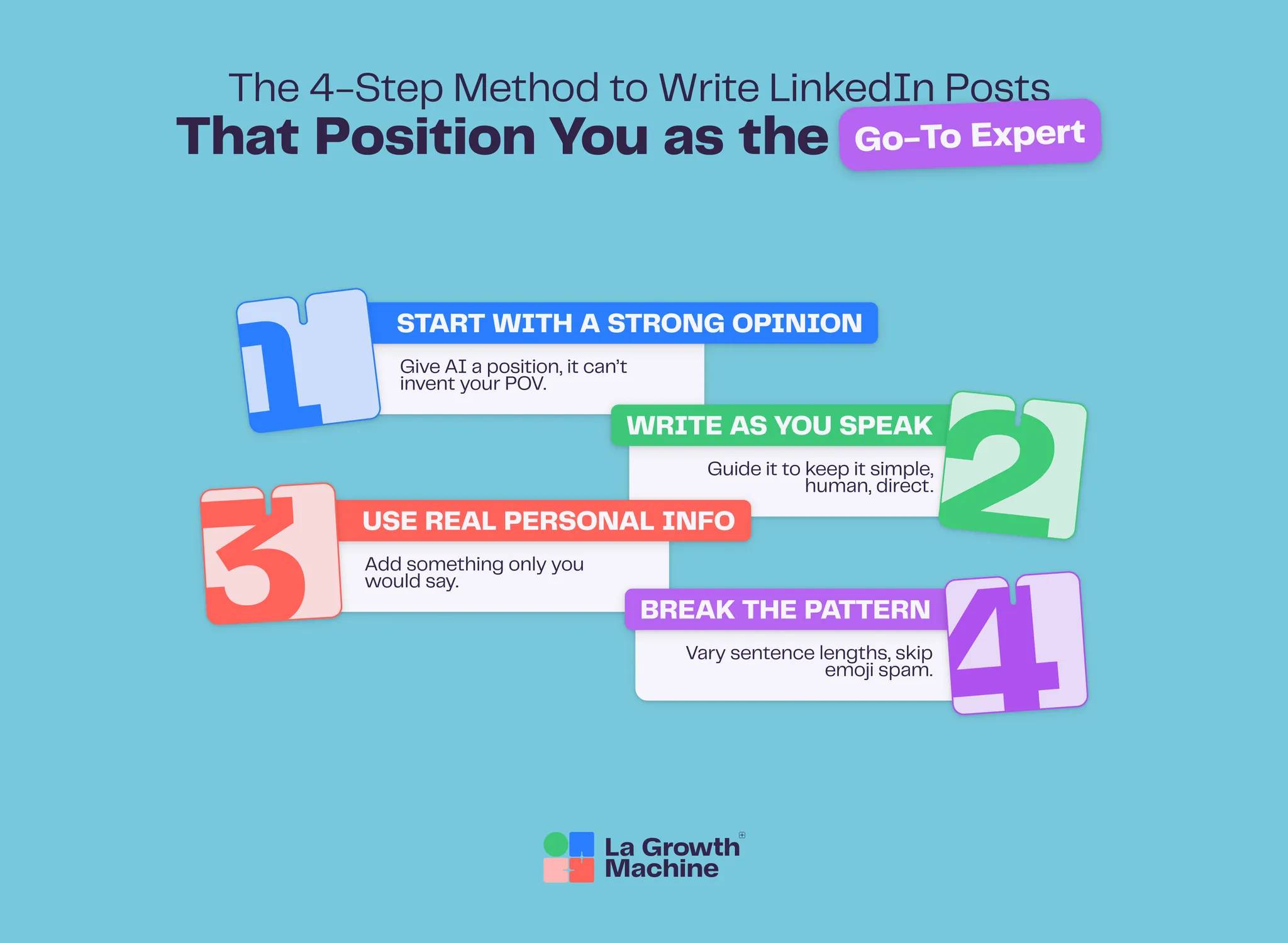
Before you write a single word, you need to know who you’re writing for. Not in a “we target SaaS founders” vague way—but in a “I know exactly what keeps them up at 3am” specific way.
Most copywriters skip this step or do it superficially. That’s why their copy feels generic, even when it’s technically well-written. Deep audience research is the difference between copy that converts at 2% and copy that converts at 12%.
The Audience Avatar Framework
Start with this 6-field template to build your audience avatar:
Demographics (the basics):
- Age range, location, job title, company size
- Industry, role seniority, team structure
- Example: “35-45 years old, Head of Sales at Series A-B SaaS companies (50-200 employees), managing 5-15 SDRs”
Pain Points (what frustrates them):
- Daily operational struggles
- Strategic roadblocks
- Emotional toll of these problems
- Example: “Pipeline unpredictable because SDRs don’t follow up consistently. Wasting $15k/month on tools that don’t talk to each other. Feels overwhelmed managing 3 different dashboards.”
Desires (what they want to achieve):
- Short-term wins (next 30-90 days)
- Long-term goals (next 12 months)
- Status/recognition they seek
- Example: “Hit 150% of Q2 quota. Automate 60% of manual SDR tasks. Get promoted to VP Sales by EOY.”
Motivations (why they care):
- Career incentives (promotion, bonus, job security)
- Personal values (efficiency, innovation, control)
- Fear-based motivators (missing quota, getting fired, falling behind competitors)
- Example: “Bonus tied to pipeline generated. Values being seen as ‘early adopter’ of tech. Fears competitors are scaling faster with automation.”
Current Solutions (what they’re using now):
- Tools, processes, workarounds
- What they like/hate about each
- Example: “Using Salesforce + Outreach + manual LinkedIn. Loves Salesforce reporting, hates Outreach pricing. LinkedIn prospecting is 100% manual (30 hours/week).
Decision Triggers (what makes them buy):
- Events that push them to change (new budget, competitor win, team expansion)
- Information sources they trust (peers, podcasts, case studies)
- Example: “Just hired 3 new SDRs. Saw competitor close $2M deal using multichannel automation. Listens to Sales Hacker podcast.”
Use the “5 Whys” technique: When you identify a pain point, ask “why does this matter?” five times to get to the real emotional driver.
Example:
- Pain point: “SDRs don’t follow up consistently”
- Why? “They forget or deprioritize follow-ups”
- Why? “Too many manual tasks, no system”
- Why? “We don’t have automation”
- Why? “Tried tools before, too complex to set up”
- Real pain point: “I’m scared to invest in another tool that my team won’t actually use”
How to Research Your Audience Effectively
Don’t guess. Go to these 3 sources:
1. Online communities where they vent (unfiltered opinions):
- Subreddits: r/sales, r/SaaS, industry-specific subreddits
- Slack communities: SaaStr, Revenue Collective, Pavilion
- LinkedIn comment threads on posts from industry leaders
- Look for: Repeated complaints, specific language they use, problems they can’t solve
2. Customer interviews (if you have customers):
- Ask: “What almost made you NOT buy?” (reveals objections)
- Ask: “What were you doing before this?” (reveals alternatives)
- Ask: “What would make this 10x better?” (reveals unmet desires)
- Record calls, note exact phrases they use
3. Review mining (competitors’ customers):
- Read G2, Capterra, TrustPilot reviews of competitors
- Filter by 3-star reviews (most honest feedback)
- Look for: “I wish it had…”, “Biggest frustration is…”, “Compared to X, this lacks…”
Generic vs Specific Pain Points
The difference between copy that gets ignored and copy that converts:
| Generic Pain Point | Specific Pain Point | Why Specific Wins |
|---|---|---|
| “Prospecting is time-consuming” | “You’re spending 12 hours/week manually sending LinkedIn connection requests that get 8% acceptance rate” | Quantifies the problem, shows you understand their exact workflow |
| Email deliverability is hard | “Your cold emails are landing in spam because you’re sending 200/day from a single domain without proper warmup” | Diagnoses the root cause, not just the symptom |
| “Sales tools are expensive” | You’re paying $5,400/year for 3 tools (Lemlist + ZoomInfo + LinkedIn Premium) that don’t integrate with each other | Shows math, reveals hidden costs (tool sprawl) |
| “Following up is difficult” | Your SDRs forget to follow up because they’re switching between 4 tabs (CRM, email, LinkedIn, spreadsheet) 80 times/day | Exposes the workflow chaos causing the problem |
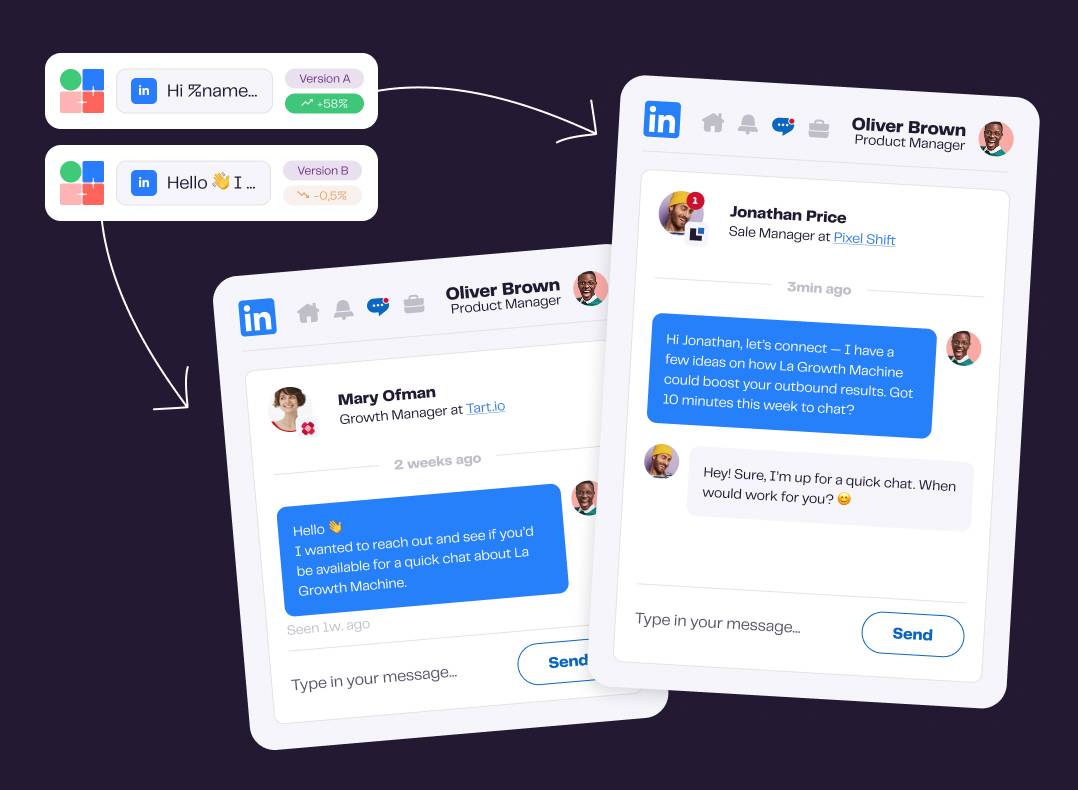
Action step: Replace every generic pain point in your copy with a specific one that includes numbers, tools, or workflows.
Tip 1: Create killer titles
A title isn’t just a series of words; it’s the gateway to your content. A strong and impactful title captures attention almost instantly, while its clarity ensures that readers know precisely what they’re about to delve into. In the digital age, it’s also essential for titles to be optimized with relevant keywords to ensure they’re discoverable in search results.
But remember, brevity is the soul of wit; keep titles concise, ideally under 55 characters, so they display effectively in search results. As you craft your title, steer clear of misleading phrasing—nothing erodes trust faster than unmet expectations.
Proven Hook & Title Frameworks
A killer title determines if anyone reads your copy. A strong hook determines if they keep reading past the first sentence. Master both, and you’ve won 80% of the battle.
The Problem-Agitation-Solution Framework
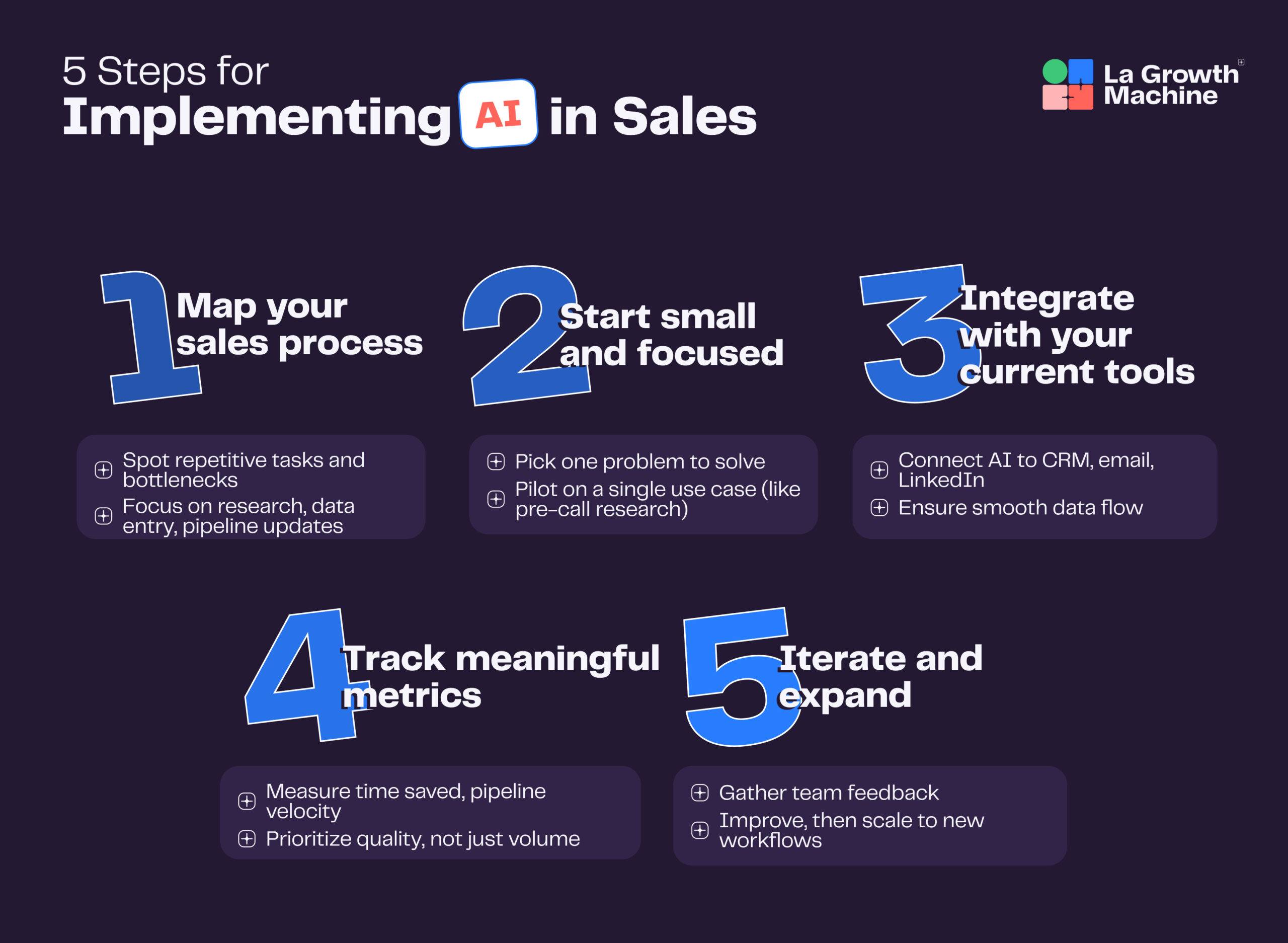
Copywriter George Blackman popularized this structure for hooks that grab attention instantly:
Problem (identify the pain):
State the problem your reader faces in one clear sentence. Be specific.
- Example: “Your cold emails are getting 2% reply rates.”
Agitation (make it hurt):
Amplify the consequences of not solving this problem. Add urgency or emotion.
- Example: “That means 98 out of 100 prospects ignore you completely. You’re burning $8,000/month on tools and SDR salaries to generate 6 qualified conversations.”
Solution (offer the way out):
Present your solution as the logical next step, not a hard sell.
- Example: “Multichannel sequences (Email + LinkedIn) generate 3.5x more replies. Here’s how to build one in 15 minutes.”
Full PAS hook example:
Your SDRs are spending 15 hours/week on manual LinkedIn outreach. That’s $36,000/year in wasted labor—and you’re still only booking 4 meetings/month. Here’s the automation framework that 200+ sales teams use to triple that output without hiring.”
Why it works: You’re validating their struggle (empathy), showing the real cost (logic), then offering a specific solution (action).
Blog Titles vs Social Media Hooks
Different platforms require different approaches:
| Criteria | Blog Title | Social Media Hook | Why the Difference |
|---|---|---|---|
| Length | 50-60 characters (SEO limit) | 8-12 words (attention span) | Google needs keywords; social needs instant clarity |
| Tone | Professional, keyword-optimized | Conversational, curiosity-driven | Blog readers are searching; social readers are scrolling |
| CTA | Implicit (“How to…”) | Explicit (“Here’s…”) | Blog assumes intent; social must create intent |
| Structure | Keyword + benefit/number | Hook + proof + promise | SEO vs engagement optimization |
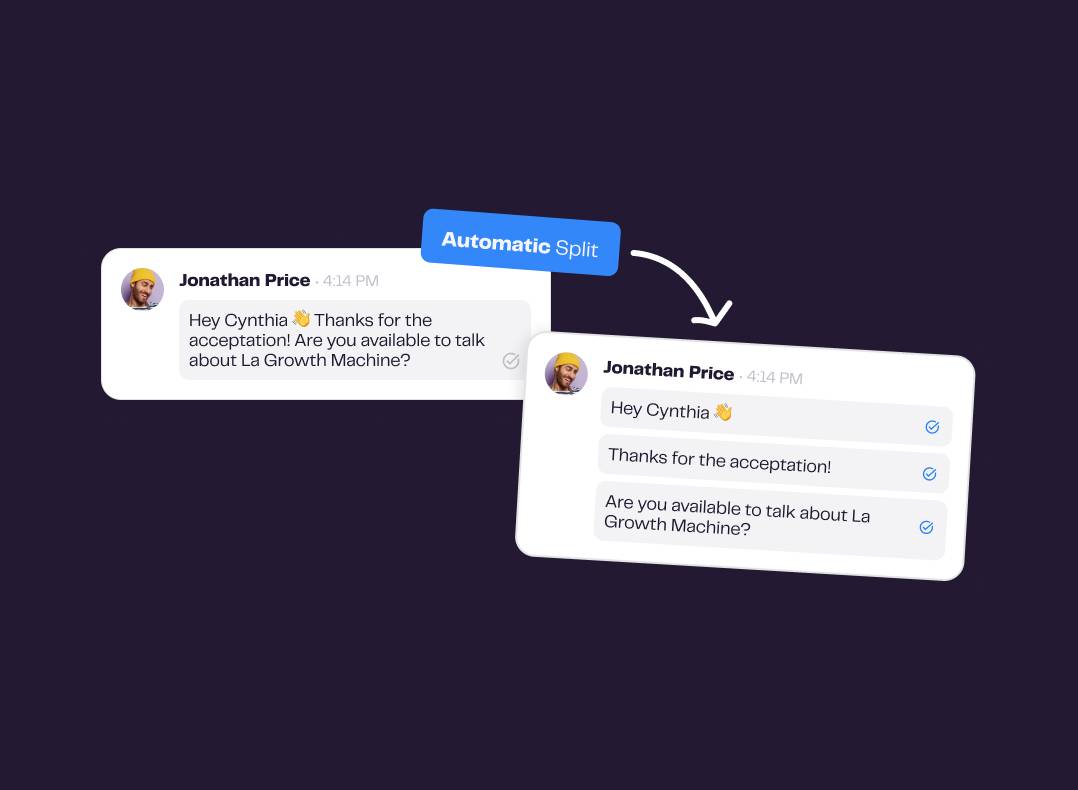
Blog title examples (optimized for search):
- “7 Cold Email Templates That Get 35% Reply Rates [2026]”
- “LinkedIn Automation: Complete Guide to Avoiding Bans”
- “Lemlist vs Instantly vs La Growth Machine: Which Is Best?”
Social media hook examples (optimized for engagement):
- “I tested 12 cold email tools. Only 2 didn’t land me in spam. Thread “
- “Your LinkedIn outreach is failing because of this one setting. Here’s the fix:”
- “We 10x’d our pipeline without hiring a single SDR. Here’s the playbook we used:”
Action step: Write your blog title first (for SEO), then rewrite it as a social hook (for engagement) when promoting on LinkedIn/Twitter.
Tip 2: Set the right tone and language
Consistency in tone is like the steady rhythm of a song—it’s what keeps your readers engaged and moving to the next line. Depending on your audience, you’ll want to adjust your tone. For instance, younger readers might appreciate a more casual, playful tone, while professionals often lean towards a more formal, direct approach.
And if you’re targeting a specific geographical region, remember to honor regional language nuances.
Tip 3: Know your target audience
It’s said that knowledge is power, and nowhere is this truer than in understanding your audience. Get to the core of their demographics, like age, gender, and occupation. But don’t stop there—dive into their psychographics to uncover interests, beliefs, values, and challenges.
By truly knowing your audience, you can craft content that feels as personalized as a bespoke suit.
Tip 4: Create a connection with the reader
Building a genuine rapport with your readers can transform passive scanning into active engagement. By showing empathy and understanding towards their challenges and aspirations, and by highlighting shared beliefs and values, you forge a deeper connection.
It’s crucial always to remain authentic because readers have a keen sense for sincerity, and nothing pushes them away faster than disingenuous content.
Tip 5: Use action verbs
These are the powerful catalysts in your content, spurring readers into the action you desire. Crafting sentences with a sense of urgency, like “Act now before it’s too late” or blending in clear instructions such as “Click here to download,” provides clarity and direction.
Encouraging phrases that pique curiosity, like “Discover the secrets of the trade,” can further entice readers to act.
Tip 6: Make comparisons
Drawing comparisons is akin to shining a light in a dark room, helping readers understand complex or unfamiliar ideas. By juxtaposing with something familiar, you’re easing the cognitive load on your readers, making your content more accessible and relatable. For example, explaining a complex concept like blockchain by comparing it to a public ledger makes it more digestible.
However, tread lightly when comparing your product or services directly to competitors, especially in a disparaging way. Not only can this be seen as unprofessional, but it may also cast doubt on your claims.
Tip 7: Use numbers and surveys
Integrating data and numerical evidence into your content adds an irrefutable layer of credibility. If you mention, “A significant number of users prefer our software,” it’s less compelling than saying, “92% of users rated our software above our competitors.”
However, always ensure your data sources are credible and transparent. Any attempt to manipulate or skew data can backfire dramatically, eroding trust.
Tip 8: Anticipate objections
Imagine engaging in a chess match, where predicting your opponent’s moves gives you the advantage. Similarly, preemptively addressing any reservations or objections your reader might have not only showcases your thoroughness but also builds trust.
A copywriter should not just be reactive but proactive, heading off doubts at the pass and making the reader feel heard and understood.
Tip 9: Work on your persuasiveness
At the intersection of psychology and writing lies the power of persuasion. Understanding core psychological triggers can elevate your copywriting. Delving into Robert Cialdini’s principles, it becomes evident that our actions, decisions, and behaviors aren’t just spontaneous but are often influenced by underlying triggers.
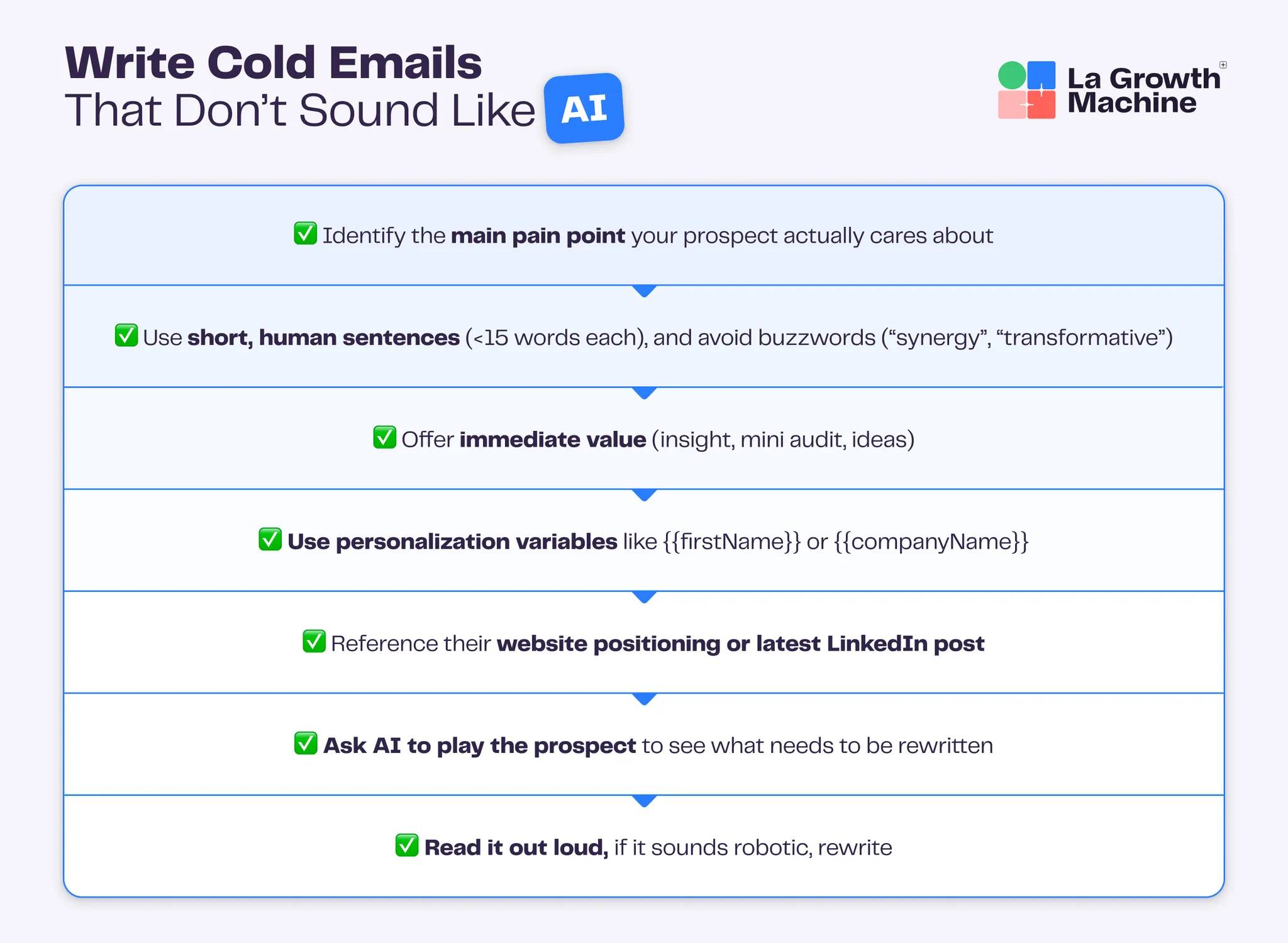
Example
For example, the principle of reciprocity emphasizes that humans are inherently driven to reciprocate gestures. Thus, if you offer your readers valuable insights, they’re more likely to engage or respond positively to your calls to action.
Tip 10: Tell stories
Narratives have a magical way of weaving a connection with readers. From ancient fireside tales to modern digital narratives, stories resonate deeply with our human nature. They evoke emotions, induce empathy, and transport readers to a different world.
However, it’s vital to strike a balance; while a gripping narrative can be powerful, overindulging can overshadow your core message.
Tip 11: Ask questions that get positive answers
Posing the right questions can guide your readers toward a predetermined conclusion. Framing them in such a way that they not only seek an answer but also reaffirm a core belief or truth can lead to stronger agreement and alignment with your viewpoint.
Tip 12: Write as you speak
Natural, conversational writing often resonates more deeply than overly formal or robotic tones. When your content reads like a conversation between friends, it becomes more relatable. Plus, it subtly signals to the reader that you’re not merely trying to sell something, but genuinely sharing beneficial information or advice.
Tip 13: Emphasize the main topic
Like a masterful composer revisiting a musical theme throughout a symphony, repeatedly returning to your core message anchors it in your reader’s mind. Whether you’re discussing the health benefits of green tea or the merits of technological innovation, consistently reiterating and reinforcing your primary topic ensures clarity and retention.
Tip 14: Sell the benefits and experience
Features tell, but benefits sell. Rather than merely listing out features, dive deep into how those features translate into tangible benefits for the user. More than just benefits, emphasize the transformative experience your product or service offers.
People are driven by emotions and experiences, and tapping into that can make your copy resonate on a deeper, more visceral level.

How to Effectively Structure Your Copy?

A well-structured copy not only ensures clarity but also keeps your audience engaged and directs them seamlessly toward the action you desire.
To craft copy that resonates and compels, follow this enriched structure:
Introduction:
- Attention-Grabber: Start with a captivating hook that immediately seizes the reader’s interest. This could be a surprising fact, a powerful quote, or an intriguing question.
- Problem Statement: Introduce the problem or challenge your audience might be facing. By addressing their pain points directly, you establish empathy and show them that you understand their needs.
- Promise: Offer a glimpse of the solution or benefit they can expect by reading further. This creates anticipation and encourages them to continue.
Main Body:
- Argument Development: Lay out your primary arguments. Why should your reader believe you? What makes your product, service, or idea beneficial or necessary?
- Benefits: Clearly list out the advantages or benefits the reader can expect. This isn’t just about features; it’s about how those features improve the reader’s life or solve their problems.
- Unique Selling Points (USPs): Highlight what sets your offering apart from competitors. This could be your unique approach, exclusive features, or proven results.
- Evidence and Support: Bolster your claims using a combination of:
- Storytelling: Share relatable anecdotes or customer testimonials.
- Statistics: Use relevant data and figures to validate your arguments.
- Case Studies: Provide real-world examples that showcase the effectiveness of your solution.
- Objection Handling: Anticipate potential reservations or doubts your readers might have and address them proactively. This eliminates barriers and smoothens their journey toward the final action.
Call to Action (CTA):
- Reiterate the Benefit: Before presenting your CTA, remind them briefly of the key benefit or value they’re getting.
- Clear Directive: Your CTA should be unambiguous. Whether it’s “Download Now,” “Sign Up Today,” or “Get Started,” ensure it’s distinct and actionable.
- Urgency and Incentive: If relevant, introduce a sense of urgency (“Limited Offer!”) or provide an additional incentive (“Plus a bonus guide!”) to make the action even more enticing.
Remember, the structure serves as a roadmap, but the heart of your copy lies in understanding your audience, addressing their needs, and guiding them effectively. Adapt and adjust based on feedback and performance metrics to continually refine and perfect your copywriting approach.
Platform-Specific Copywriting Strategies
Writing for Twitter is not the same as writing for your blog. The platform dictates the strategy. Master platform-specific copywriting, and you’ll 3x your content ROI.
High-Performing Blog Examples
Example 1: Keyword-rich title + comprehensive structure
Title: “LinkedIn Automation in 2026: Complete Guide to Avoiding Bans”
Structure:
- H1: Main keyword (“LinkedIn Automation”)
- H2: What Is LinkedIn Automation? (definition, answering search query)
- H2: How LinkedIn Detects Automation (3 red flags)
- H2: 7 Best LinkedIn Automation Tools [Comparison Table]
- H2: How to Automate LinkedIn Safely (step-by-step)
- H2: FAQ (long-tail keywords)
Why it works: Targets high-volume keyword, covers topic exhaustively, includes comparison table (satisfies “best tools” searches), FAQ captures long-tail.
Example 2: Comparison keyword + data-driven
Title: “Lemlist vs Instantly vs La Growth Machine: Which Cold Email Tool Is Best?”
Structure:
- H1: Main comparison keyword
- H2: Quick Comparison Table (features, pricing, use cases)
- H2: Lemlist Review (deep dive)
- H2: Instantly Review (deep dive)
- H2: La Growth Machine Review (deep dive)
- H2: Which Tool Should You Choose? (decision framework)
- H2: FAQ
Why it works: Targets buyer-intent keyword (“which is best”), comparison table for skimmers, deep reviews for researchers, FAQ for long-tail.
Example 3: How-to keyword + actionable tutorial
Title: “How to Build a Cold Email Sequence That Gets 25%+ Reply Rates
Structure:
- H1: Main keyword + specific outcome (25% reply rate)
- H2: What Makes a High-Converting Cold Email Sequence?
- H2: Step 1: Research Your Audience (framework)
- H2: Step 2: Write Your Email Copy (templates)
- H2: Step 3: Set Up Automation (tool recommendations)
- H2: Step 4: Test and Optimize (A/B testing guide)
- H2: FAQ
Why it works: Targets “how to” search intent, step-by-step structure, includes templates (actionable), specific metric creates credibility.
Social Media Copy vs Blog Copy
| Criteria | Social Media Copy | Blog Copy | Strategy Implication |
|---|---|---|---|
| Length | 150-300 words (Twitter/LinkedIn post) | 1,500-4,000 words (long-form SEO) | Social = hook + intrigue. Blog = comprehensive answer. |
| Tone | Casual, contrarian, personal (“I”, “we”) | Professional, authoritative, educational (“you”) | Social = peer. Blog = expert guide. |
| CTA | Explicit (“Comment below”, “Retweet if you agree”) | Soft (“Learn more”, “Try free trial”) | Social = engagement. Blog = conversion. |
| Structure | Hook → Story/Proof → CTA/Loop | Keyword H1 → Sections (H2/H3) → FAQ | Social = narrative. Blog = scannable hierarchy. |
| Goal | Engagement (likes, shares, comments) | Traffic (Google rankings) + Conversion (leads) | Social = amplification. Blog = long-term SEO asset. |
Action step: Repurpose every blog you write into 3-5 social posts. Extract the most contrarian/surprising points, rewrite them as hooks, post them with a link back to the blog. You’ve just 10x’d your content ROI.
Measuring the Results of Your Copywriting
Lastly, understanding the potency and effectiveness of your copywriting is not just an auxiliary step; it’s a foundational aspect of the entire copywriting process. By assiduously monitoring essential metrics such as click-through rates, conversion percentages, and varying degrees of audience engagement, you stand to acquire a panoramic view of how your written content is influencing and resonating with your audience.
It’s prudent to incorporate state-of-the-art analytics tools into your assessment arsenal. These instruments not only provide quantitative data on your copy’s performance but also offer qualitative insights that can be pivotal. With this data at your fingertips, you’re well-equipped to refine, restructure, and recalibrate your content approach based on real-world feedback, ensuring that your messaging remains agile and in tune with your audience’s evolving preferences.
Some of these tools include:
- Google Analytics: This is perhaps the most widely used tool for tracking website traffic and user behavior. It offers insights into page views, time spent on pages, bounce rates, and conversion rates, among other metrics.
- Hotjar: A tool for understanding user behavior on your site. It offers heatmaps, session recordings, and surveys to gain qualitative insights from your audience.
- SEMrush and Ahrefs: These are SEO tools that can also provide data on the performance of your content in search engines, including organic traffic, backlinks, and keyword rankings.
- HubSpot: A comprehensive inbound marketing, sales, and CRM platform that provides detailed analytics on the performance of content, emails, and landing pages.
- Crazy Egg: Another tool that offers heatmaps and user session recordings, helping you visualize where users click, how far they scroll, and how they interact with your content.
- Optimizely: A platform for A/B testing, which is crucial for copywriters who want to test different versions of their content to see which one resonates more with their audience.
- Mailchimp and other email marketing platforms: These provide analytics on email campaigns, including open rates, click-through rates, and conversion rates.
- BuzzSumo: A tool for content research and analysis. It helps identify what content is most shared across social media and who the major influencers are.
- Moz: While mainly known for SEO, it provides content analytics that can help track how your content is performing in terms of search rankings and domain authority.
- Kissmetrics: Focuses on individual and group visitor behavior over time, which can provide deeper insights into how users interact with your copy over multiple sessions.

In summation, the role of effective copywriting in the modern business landscape cannot be understated. A deep and empathetic understanding of your audience’s psyche, combined with the craftsmanship of weaving compelling narratives and employing time-tested persuasive writing techniques, positions your content as more than just words on a screen. It transforms them into powerful conduits that forge genuine connections with your target demographic. Remember, in the realm of copywriting, words are more than mere carriers of information; they are strategic instruments endowed with the unparalleled ability to captivate, inspire, and ultimately, drive a plethora of conversions, fostering sustainable success for your business endeavors.
Social Media Mindset vs Blog Mindset
The fundamental difference isn’t just length—it’s reader intent and consumption mode.
Social media (Twitter, LinkedIn):
Blog (SEO-optimized articles):
Key insight: Social media rewards intrigue and personality. Blogs reward depth and SEO optimization. Write accordingly.